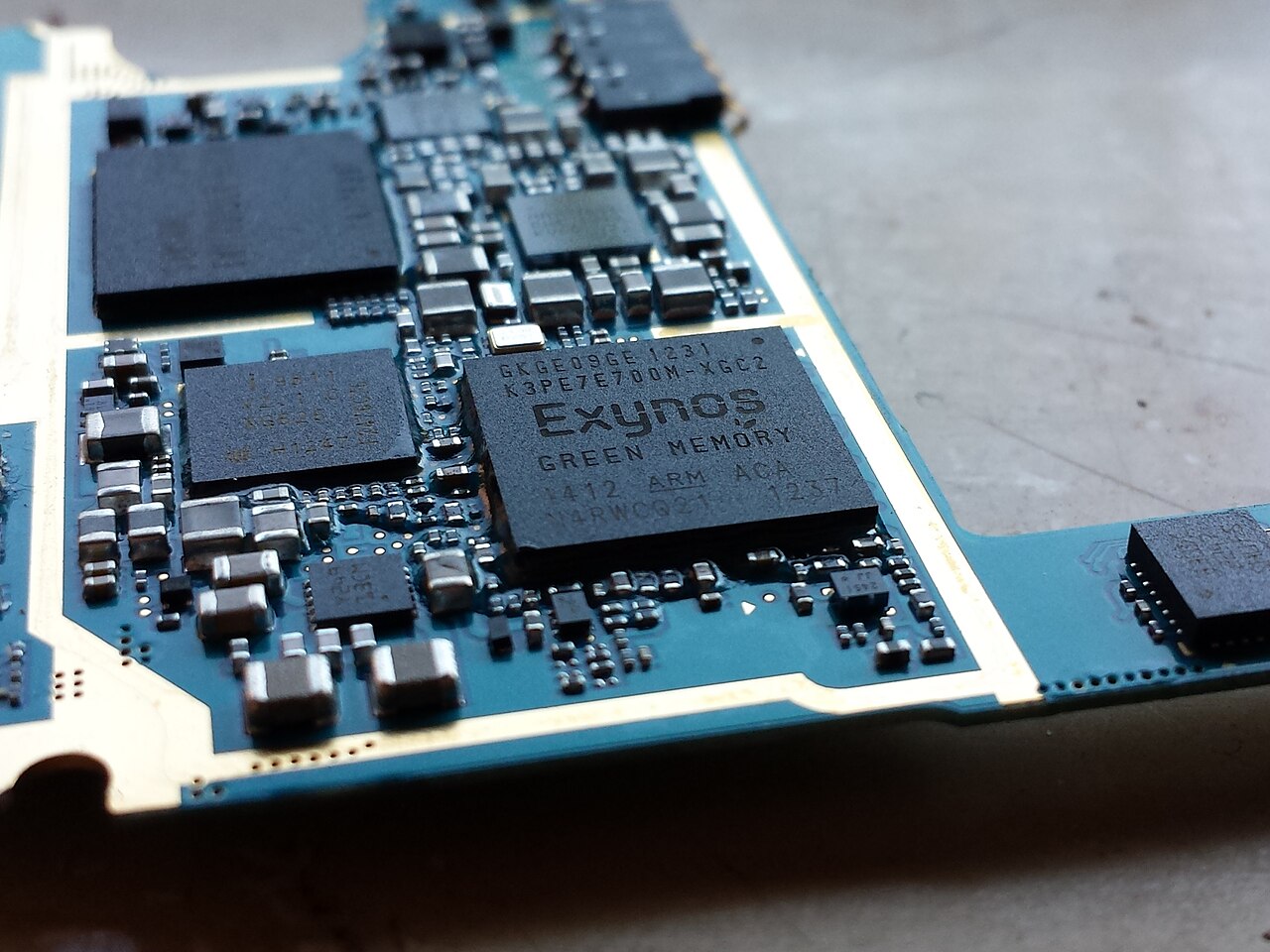
For 35 years, Arm Holdings has been the invisible architecture behind nearly every smartphone, tablet, and embedded device on the planet. The British company designed the blueprints; others built the chips. That paradigm shifted decisively this week when Arm unveiled the AGI CPU — the first chip it has ever manufactured in-house — at an event in San Francisco.
The announcement marks a historic pivot for one of the semiconductor industry's most influential companies, and it arrives at a moment when the world's appetite for AI computing power has never been greater.
From Architect to Builder
Arm's business model has long been unique in the chip industry. Rather than manufacturing processors, the company licenses its instruction set architecture and CPU designs to partners like Apple, Qualcomm, Samsung, and Nvidia, who then build their own chips. Arm's designs power an estimated 99 percent of the world's smartphones and an increasingly large share of data center infrastructure.
The AGI CPU represents a fundamental shift. Built using Arm's Neoverse family of CPU cores and developed in partnership with Meta, the production-ready chip is designed specifically for running AI inference workloads in data centers. Meta is the chip's first customer, and launch partners include OpenAI, Cerebras, and Cloudflare.
Why CPUs Matter for AI
While GPUs have dominated headlines in the AI hardware race, Arm's bet is on the often-overlooked CPU. In its pitch to the industry, the company argues that CPUs are the "pacing element of modern infrastructure" — managing thousands of distributed tasks including memory management, workload scheduling, and data movement across systems.
As AI workloads grow more complex and distributed, the demands on CPUs have intensified. The chip must coordinate between multiple GPU accelerators, manage enormous datasets, and keep everything running efficiently at scale. Arm believes its purpose-built AI inference CPU can meet those demands better than existing general-purpose processors.
Timing Is Everything
The launch comes at a particularly opportune moment. Intel and AMD have warned customers of growing CPU shortages, particularly for shipments to China, and computer prices have begun rising globally as supply tightens. A new entrant in the CPU market — especially one with Arm's pedigree and partner ecosystem — could help ease those constraints.
The financial projections are ambitious. Arm CEO Rene Haas said the company expects the new chip business to contribute billions in annual revenue, helping drive Arm's total revenue to $25 billion and earnings per share to $9 within five years. "We may be under-calling that number," Haas said. "I think the demand is higher than we think it is." For context, Arm generated just over $4 billion in annual revenue in 2025.
A Competitive Gamble
The move is not without risk. By entering chip manufacturing, Arm is now competing directly alongside many of its own licensing partners. The company will need to balance its new product ambitions with the partnerships that have been the foundation of its business for decades.
But the AI infrastructure market is growing so quickly that there may be room for everyone. Data centers worldwide are racing to build out AI capacity, and the shortage of high-performance chips has become one of the primary bottlenecks. Arm's stock jumped 6 percent on the announcement, suggesting investors see more opportunity than threat.
After 35 years of designing the world's most popular chip architecture from behind the scenes, Arm has stepped into the spotlight. The AGI CPU isn't just a new product — it's a declaration that one of technology's most important companies is ready to compete on a new playing field.


