
Human Achievements
October 18, 2026 – October 25, 2026
Good news this week.
The most-read positive news, uplifting stories, and science breakthroughs from the past seven days on The Good Press.
Most-read this week

Human Achievements
99-Year-Old Becomes World's Oldest Wing-Walker
Helga Duffy spent five minutes strapped to the top of a flying biplane to claim a Guinness World Record her care home nurse talked her into trying.

Human Achievements
15-Year-Old's 800 Chest Compressions Save a Life
A Nottinghamshire teenager who had just bought CPR training manikins used his skills days later, performing up to 800 chest compressions to save a stranger.
More good news from this week

Technology
Gene Therapy Goggles Help Blind Adults Detect Objects
A phase-1 trial combining a single eye injection with light-stimulating goggles restored partial light sensitivity in blind adults, letting several detect objects again.

Science
Endangered Andean Cat Caught on Camera for 3rd Year
WCS Argentina's camera traps recorded the endangered Andean cat for a third straight year in Mendoza — proof a decade of habitat protection is working.

Technology
Quantinuum Hits 99.9995% Accuracy in Quantum Leap
Quantinuum's Helios computer hit a record 99.9995% logical fidelity, just five errors per million operations, moving fault-tolerant quantum computing closer to reality.

Science
Scientists Reverse 60 Years of Cell Aging in Bonn Lab
Researchers in Germany reprogrammed an 80-year-old donor's blood cells into neural stem cells with a molecular age under 20, reversing six decades of aging.

Technology
Caltech Chip Cuts Visible-Light Loss by 20x
Caltech engineers printed fiber-optic-grade light pathways directly onto silicon wafers, a step that could sharpen lasers, clocks and quantum sensors.

News
Canada Protects 81,400 Hectares of Ontario Taiga
The Nature Conservancy of Canada has secured over 81,400 hectares of taiga forest and peatlands south of Kapuskasing — an area 1.3 times the size of Toronto.

Technology
India Launches 25-Qubit Quantum Hub in Bengaluru
Manipal's new Q-HUB@MAHE brings a 25-qubit open-architecture quantum computer online in Bengaluru, with a roadmap to 1,000+ qubits and 100 trained engineers by December.

Science
Siberian Tiger Numbers Nearly Triple to 72 in China
Five years into China's national park program, wild Siberian tigers, Amur leopards and Tibetan antelope are all rebounding sharply in the wild.

Science
Sunken Warship Reef Grew 46 Species in 448 Days
Divers surveying a deliberately sunk Canadian destroyer off Nanaimo found 46 marine species colonizing the wreck within its first 448 days underwater.
Human Achievements
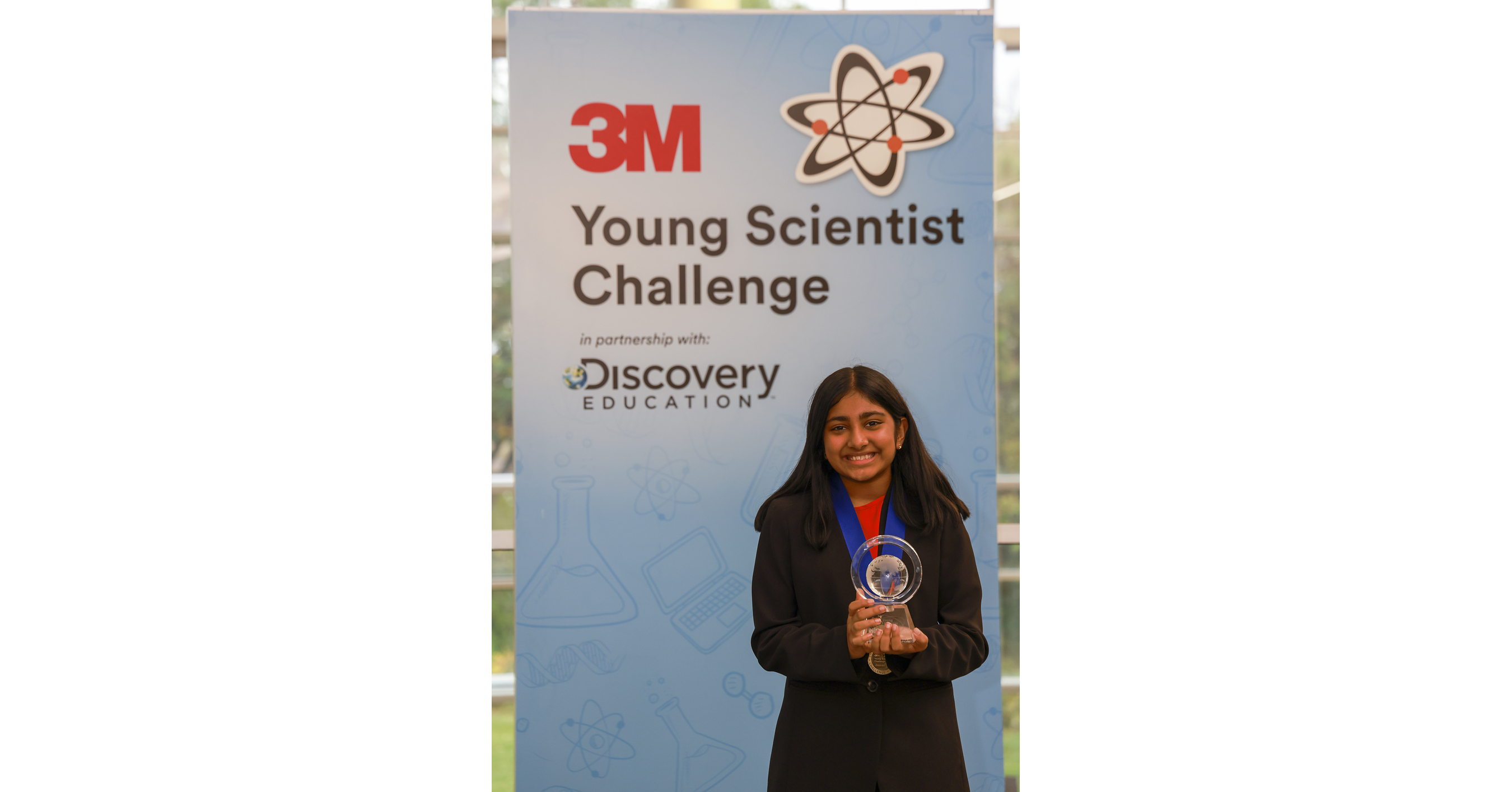
13-Year-Old Wins $25,000 for Ocean Acidification Fix
Connecticut's Raji Doshi beat nine finalists to become America's Top Young Scientist with a seashell-inspired system to fight ocean acidification.

Technology
New Mexico Hits 50% Clean Energy Six Years Early
New Mexico's investor-owned utilities weren't required to reach 50% renewable power until 2030 — they got there in 2024, and the state's largest utility has kept climbing since.

Human Achievements
Frank Richardson's Marsh Now Shelters 80 Bird Species
A retired zoology professor spent his final years protecting one small marsh on a Washington island — and two neighboring families turned it into a permanent 13-acre preserve.

News
Critically Endangered Pangolin Found Near Shillong, India
Camera traps set up by India's Wildlife Institute recorded a Chinese pangolin for the first time in forests on the edge of Shillong city.

News
Elephant Sandro, 54, Steps Onto 13 Acres of Freedom
After four decades at a Brazilian zoo, Asian elephant Sandro walked off a transport truck and into a 13-acre sanctuary habitat built for him to roam.

Science
Tasmania Replants Giant Kelp Lost Since the 1970s
Divers are hand-planting hatchery-grown giant kelp off Tasmania's coast, using a technique that can regrow a lost underwater forest within a single year.

News
Native Gardens Revive Lenape Corn on 3 Philly Lots
An Indigenous-led nonprofit turned three vacant Philadelphia lots into gardens of Lenape corn and Nanticoke squash, with 40,000 more lots to go.

News
Hilsa Fish Return to the Upper Ganga After 50 Years
A seven-year breeding and release program has brought the migratory hilsa fish back to stretches of India's Ganga it vanished from in 1975.