A cattle ranch on Colorado's eastern plains just proved you don't have to choose between raising beef and saving grassland birds — you can do both, and the birds show up to prove it.
37 bird species were counted on Rafter W Ranch in 2025, up from 29 when monitoring began in 2019. Grassland-bird detections nearly doubled over the same stretch, and the ranch's biodiversity score has climbed every single year since.
- 37 bird species recorded in 2025, up from 29 in 2019
- 356 grassland-bird detections in 2025, up from 178 — roughly double
- 26% cumulative rise in the ranch's Bird Friendliness Index since 2019
- 150+ ranches now certified under the same national program
How a cattle operation became a bird sanctuary
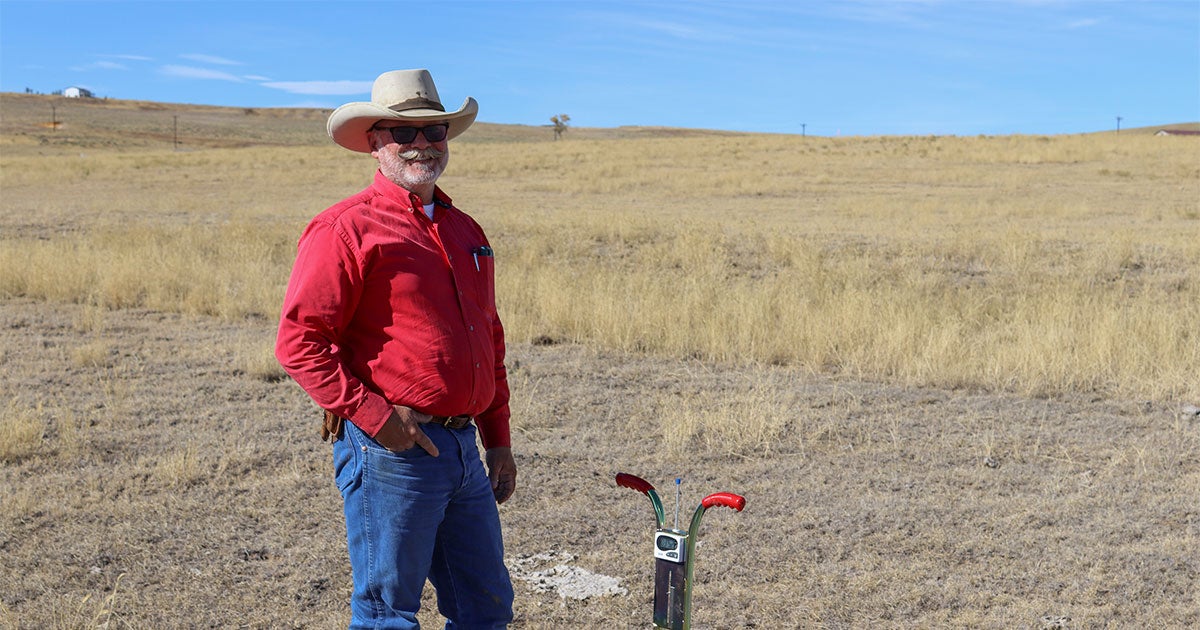
Lance and Lisa Wheeler bought their first parcel in Elbert County, Colorado, in 2014 and expanded two years later. In 2018, Rafter W Ranch became certified through Audubon Conservation Ranching, a program that asks ranchers to manage land for wildlife habitat, not just livestock output, in exchange for a label that helps them market beef, lamb and eggs.
The Wheelers run cattle in tight rotational patterns, moving herds frequently to leave a mosaic of short and tall grass rather than one uniform, grazed-down field. That patchwork matters: different bird species need different grass heights to nest, feed and hide from predators. Free-range chickens trail behind the cattle, working manure into the soil and improving its health.
"We're managing not just for livestock production, but for all the species in this ecosystem," said Lance Wheeler, co-owner of Rafter W Ranch.
What the birds found
The ranch's high plains grassland now supports Western Meadowlarks, American Kestrels, Upland Sandpipers, Lark Buntings, Vesper Sparrows and Loggerhead Shrikes — several of them species on Audubon's list of North America's most imperiled birds. Grassland birds have declined faster than almost any other group of birds in the U.S. over the past 50 years, largely because the private land they depend on keeps getting converted or intensively grazed.
That is exactly why a single working ranch matters. More than 150 Audubon-certified bird-friendly ranches now cover a combined swath of the American West, and because most grassland habitat sits on private land, voluntary programs like this one are one of the few tools that can move the needle at scale.
A model other ranchers can copy
Dusty Downey, Audubon Rockies' Conservation Ranching Director, said the Wheelers' results came from pairing genuine curiosity about the science with hands-on land stewardship. Their Bird Friendliness Index — Audubon's composite measure of bird abundance, diversity and resilience — has grown roughly 4% every year since monitoring began.
Rafter W now sells its grass-fed beef, lamb, chicken and eggs directly to consumers, using the healthier grassland as both habitat and product. For the Wheelers, the two goals turned out not to compete at all: better soil and grass structure made for better cattle and more birds, at the same time, on the same acres.
Read more from Audubon Rockies on how the ranch tracks its results year over year.