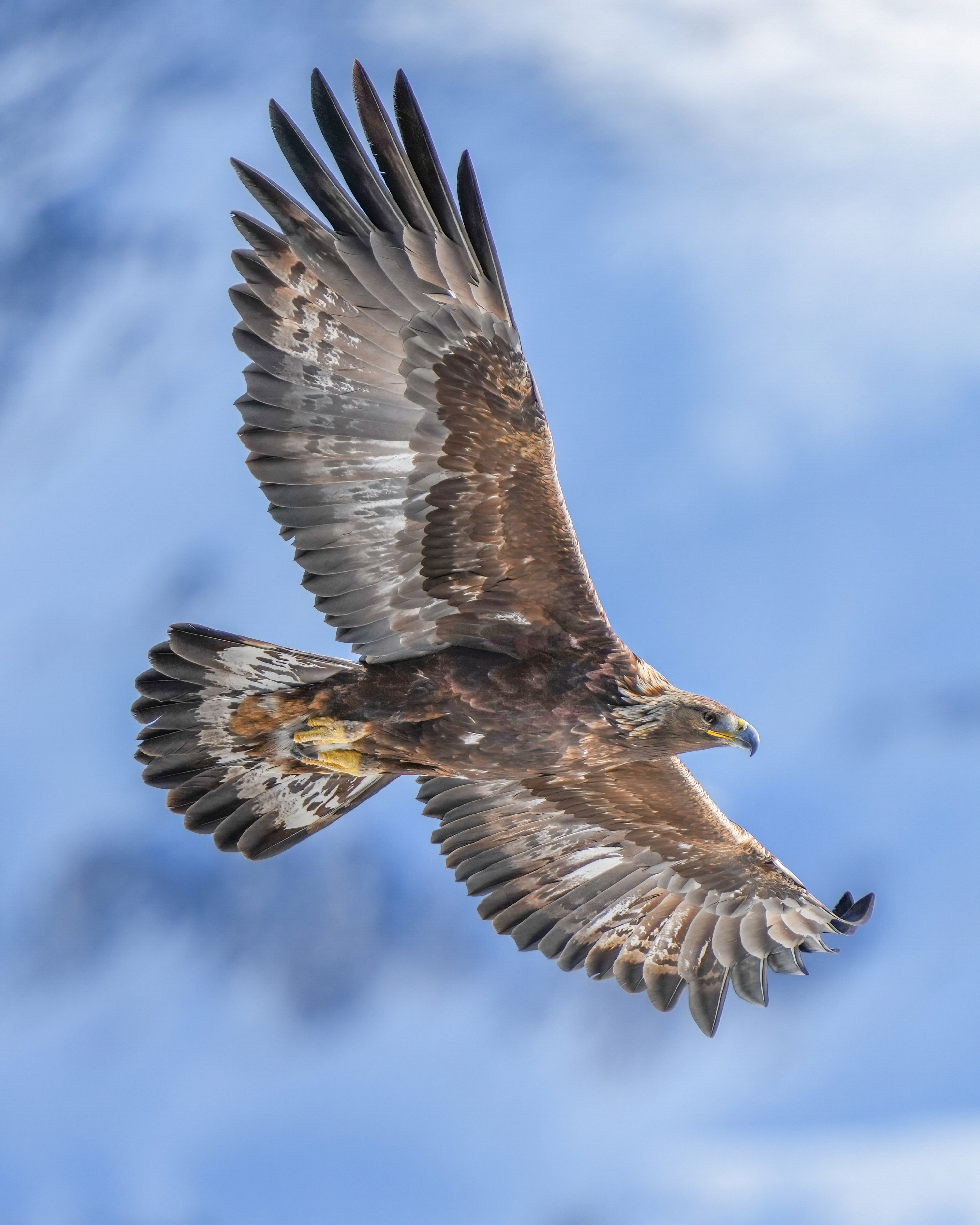
A bird that vanished from English skies a century and a half ago is on course to come back. This month the UK government confirmed a £1 million funding package to advance plans to reintroduce golden eagles to England, with the first releases potentially taking place as early as next year.
How the £1 million funding came about
Environment Secretary Emma Reynolds announced the funding following a feasibility study commissioned by the Department for Environment, Food and Rural Affairs (DEFRA). The study concluded that several areas of northern England, in particular parts of the Lake District and Northumberland, can support breeding populations of the iconic raptor — provided the groundwork is laid carefully.
The plan would see juvenile golden eagles, six to eight weeks old, translocated to carefully chosen release sites. Staggered releases over several years would allow the young birds to imprint on their new territory, establish pairs and — conservationists hope — eventually produce English-born chicks for the first time since the late 19th century.
Why the eagles vanished in the first place
Golden eagles disappeared from England around the 1850s, victims of intensive persecution from landowners and gamekeepers. A lone male, nicknamed the "Haweswater eagle", clung on in the Lake District until 2015, when he was last seen. His death marked the end of wild golden eagles in England.
Since then, a major translocation effort in southern Scotland has dramatically reversed the raptor's fortunes north of the border. The South of Scotland Golden Eagle Project has brought the regional population to record levels, and satellite tracking shows that some of those birds have already begun crossing the border into northern England on exploratory flights. Conservationists say the new funding will help ensure that those wandering eagles have a safe, prepared landscape to settle into, and will be complemented by targeted reintroductions of young birds.
"This is one of the most exciting conservation opportunities in England today," said a spokesperson for the Royal Society for the Protection of Birds (RSPB). "Golden eagles are apex predators. Bringing them back means bringing back a piece of the ecological architecture that has been missing from our uplands for more than a century."
Ecologists describe the eagle as a sentinel species. Its presence — or absence — tells scientists a great deal about the state of the wider ecosystem. Golden eagles require large, undisturbed territories, a healthy prey base of hares, grouse and carrion, and skies free from persecution and accidental poisoning. Creating conditions that support eagles tends to benefit a long list of other species at the same time, from ravens to mountain hares.
Bringing farmers and gamekeepers on board
The reintroduction effort will involve close partnerships with upland farmers, gamekeepers and local communities. Organizers say early engagement is critical — in parts of Scotland, the return of the golden eagle has at times been controversial, and the English plan is being designed with lessons from those experiences in mind.
Ornithologists expect the first English-born golden eagle chicks could hatch in the wild within three to five years of initial releases. In conservation terms, that is remarkably fast.
The broader context is positive too. Across Britain, several large raptors have made dramatic recoveries in recent decades. Red kites, once down to a handful of Welsh pairs, now soar across southern England by the thousands. White-tailed eagles have returned to the Isle of Wight after a 240-year absence. Adding the golden eagle back to the English roster would complete a remarkable comeback story for the country's biggest birds of prey.
For now, the next step is to finalize the release sites and secure the young birds. And then, if everything goes to plan, a silhouette that English skies have not seen since the age of steam will once again cast a shadow across a Cumbrian fell.


