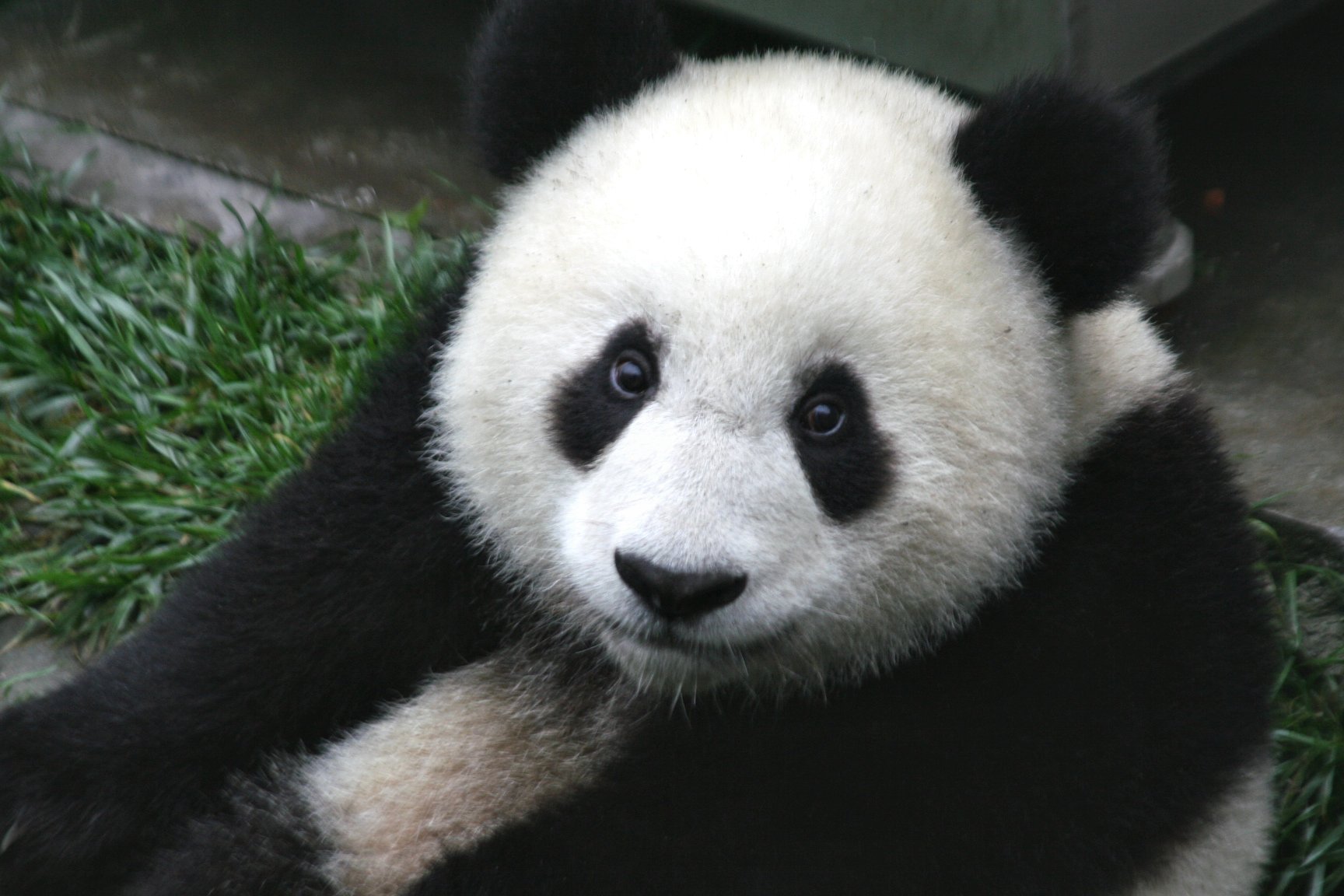
A small, fuzzy diplomat is about to make his big-stage debut. Satrio Wiratama, the first giant panda ever born on Indonesian soil, is set to meet the public later this month after a successful round of health checks at the Indonesian Safari Park near Jakarta.
Veterinarians examined the cub, affectionately nicknamed Rio, on Friday and reported that he is hitting his developmental targets — and in some cases beating them. At 169 days old, Rio now weighs around 10 kilograms, walks independently, climbs onto his mother, and is starting to nibble on bamboo shoots between nursing sessions. His teeth, the vet team noted, are coming in even faster than expected.
"What's important to note is that all of Rio's senses are active," said Bongot Huaso Mulia, one of the veterinarians overseeing the cub. "He has the ability to understand the environment, assess the situation, adapt to more people, and hear sounds, even in certain levels of noise. We will train him gradually."
Rio was born on November 27, 2025, to mother Hu Chun and father Cai Tao, two giant pandas on loan from China since 2017 under a 10-year conservation partnership. The arrangement, similar to other "panda diplomacy" agreements China has signed with countries around the world, is built around protected breeding, joint research and public education about wildlife conservation.
For Indonesia, Rio's birth is a quiet but significant first. Giant pandas are notoriously difficult to breed in captivity, with very short fertility windows and high cub mortality rates in the first weeks of life. The fact that Hu Chun and Cai Tao successfully produced and raised a healthy cub far from China's panda heartland is a credit to the keepers, veterinarians and researchers who have spent years tuning the conditions at the Indonesian Safari Park — climate, diet, enrichment, social space — to suit the animals.
It is also a real conservation win at a global level. Giant pandas, once classified as endangered, were downlisted to "vulnerable" by the International Union for Conservation of Nature in 2016, thanks to decades of protected habitat, anti-poaching enforcement, and breeding programs that have steadily lifted the wild population. Each successful birth abroad adds to the genetic and demographic buffer that keeps the species moving in the right direction.
Rio's upcoming public debut is being managed with care. Staff are easing him into busier and noisier surroundings, the way a trainer might prepare an athlete for a big crowd. The goal is for the cub to encounter his first visitors without stress — confident in his enclosure, comfortable with his mother nearby, and gradually used to the soundtrack of camera shutters and excited children.
Beyond the cuteness, there is a practical bonus. Few animals are as effective at drawing public attention to conservation as pandas. When a country produces its first homegrown cub, that excitement tends to translate into school visits, museum programs, research funding and broader interest in protecting other less famous species. In Indonesia — home to orangutans, Sumatran tigers, rhinos and an extraordinary array of marine life — that kind of public energy is genuinely useful.
For now, the focus is on Rio himself: a 10-kilogram bundle of black-and-white fur learning to navigate the world, one chewed bamboo shoot at a time. He has a name, a fan club, and a clean bill of health. In a few weeks, he will also have an audience.


