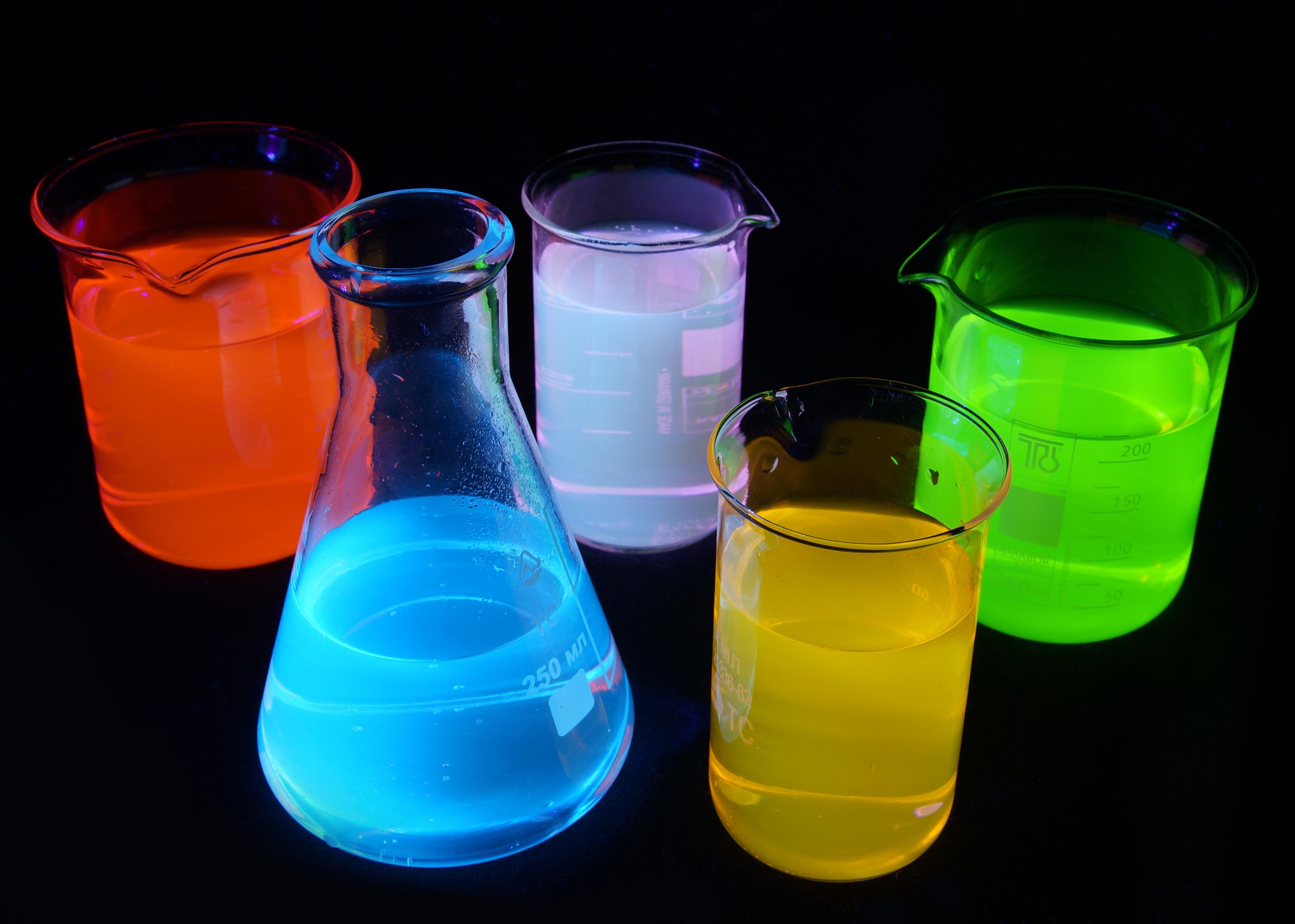
Imagine pouring two cups of warm water together and ending up with a cup of boiling water. In ordinary life that''s impossible — but at the quantum scale, a similar trick really does happen with light. Two low-energy photons can pool their energy to create one higher-energy photon, a process called photo upconversion.
Why solids stumped scientists for decades
For decades, scientists have known how to do this in liquids using toxic solvents that quickly evaporate. Translating the trick to a stable, room-temperature solid has been one of the great open problems in materials chemistry. Now researchers at Kyushu University in Japan say they have cracked it.
In a study published June 23 in Nature Communications, the team unveiled a solid molecular material that converts visible sunlight into ultraviolet light under normal outdoor conditions, with a photo-upconversion efficiency of 1.9% — a record for this kind of solid-state system.
Why UV from sunlight matters
Most people associate ultraviolet light with sunburn, but it is also one of the most useful slices of the spectrum for technology. UV light disinfects air and water, cures resins in 3D printing, hardens dental fillings, and drives chemical reactions for everything from solar fuels to advanced manufacturing.
Why UV is so scarce in sunlight
The problem: UV makes up only about 6% of the sunlight that reaches Earth''s surface, and only a fraction of that is in a usable wavelength range. A material that can squeeze more UV out of ordinary visible sunlight is, in effect, a free upgrade for every UV-driven device on the planet.
"What we do here is ''add together'' the energy from two visible-light photons to make one ultraviolet photon," explained Yoichi Sasaki, Associate Professor at Kyushu University''s Faculty of Engineering and the study''s corresponding author. "It''s a fascinating process called photo upconversion."
The triplet-triplet dance
The trick relies on a quantum phenomenon called triplet-triplet annihilation. A donor molecule absorbs a visible photon and enters a high-energy "triplet" state. That energy hops to a nearby acceptor molecule. When two excited acceptors meet, they merge their energy and emit a single, more energetic UV photon.
In liquids the molecules slosh around freely and meet each other easily. In solids they are packed tight, and their electron clouds overlap so much that the delicate triplet states usually fizzle out before they can combine. The Kyushu team needed to design a material in which molecules sit close enough to share energy, but separated enough that the triplets survive.
Their solution was an organic semiconductor called dihydroindenoindenedene (DHI), modified by hanging short alkyl chains off its sp³ carbon atoms. The chains act like tiny spacers, holding neighbouring molecules apart at exactly the right distance. The resulting solid glowed strongly, kept its excited states alive longer than usual, and shuffled energy around with high efficiency — hitting a solid-state fluorescence quantum yield above 60%.
What''s next
A 1.9% upconversion efficiency may sound modest, but for a stable, solid material operating in everyday sunlight it is a major leap. The researchers believe further tuning of the molecular structure could push the number higher. Down the line, paint-on or window-laminate versions of the material could mean cleaner indoor air, more efficient UV-powered chemistry on factory rooftops, and a new generation of self-disinfecting surfaces.
In short: the same sunlight already streaming through your window may soon be doing a lot more work than just lighting the room.


