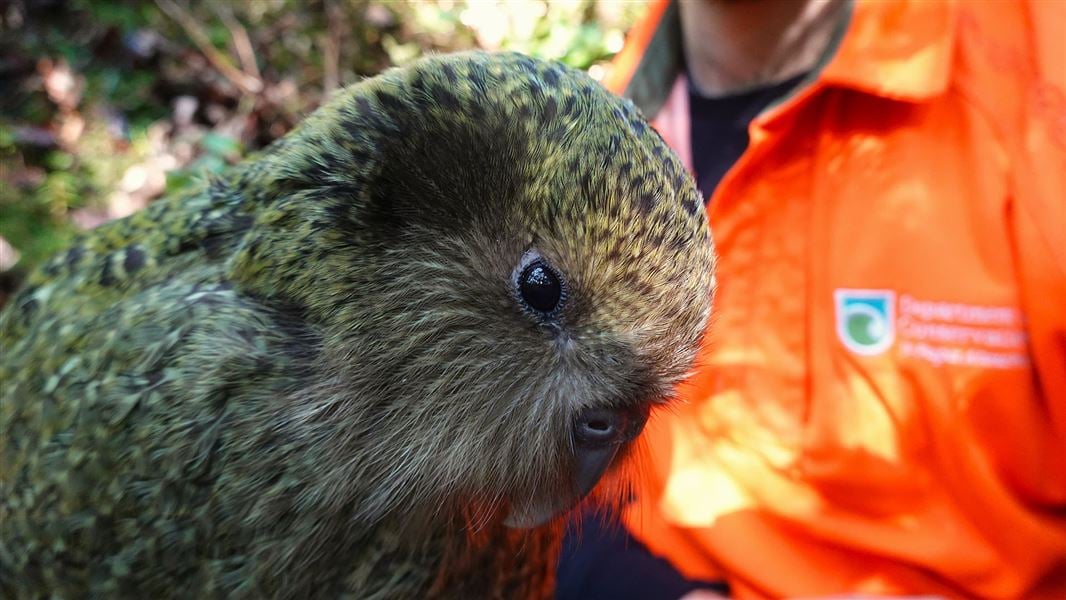
A single fruiting native tree just helped rescue one of the rarest birds on Earth. After a bumper rimu berry harvest triggered New Zealand's best breeding season in decades, the country's critically endangered kākāpō population has climbed to 325 birds — the highest total in 75 years.
- 325 kākāpō now alive, a recovery-era record
- 90 chicks fledged in the 2026 season alone — the biggest single-season haul ever
- 51 birds were left when the modern recovery programme began in 1995
- 4 years — the longest gap on record between kākāpō breeding seasons
Why the kākāpō waited four years
Kākāpō are the world's only flightless, nocturnal parrot, and they breed almost exclusively when native rimu trees stage a mass fruiting event known as a "mast" year. Mast years are unpredictable and can be years apart, which is why the birds went four full seasons without breeding before 2026's bumper rimu crop finally arrived.
When the trees delivered, so did the birds. New Zealand's Department of Conservation (DOC) says the resulting 90 chicks is a single-season record for the programme — a stark contrast to the species' early recovery years.
"We had a four-year gap between breeding seasons, so it's fantastic to finally see the population increase after all that time." — Deidre Vercoe, DOC Kākāpō Recovery Operations Manager
From 51 survivors to a 75-year high
Kākāpō once ranged across New Zealand, but introduced predators such as cats and stoats pushed the species to the edge of extinction by the early 1900s. When DOC's Kākāpō Recovery Programme began in 1995, only 51 birds remained, just 20 of them female.
Three decades of intensive management followed: relocating every surviving bird to predator-free islands, hand-rearing chicks, and tracking each individual's genetics to guard against inbreeding. Vercoe notes that in the programme's early years, it took 16 years to produce as many chicks as hatched in the single 2026 season.
The milestone matters beyond the numbers. As The Guardian reports, the population hasn't topped 300 birds in roughly 75 years — meaning 2026's kākāpō are living through a comeback unmatched in living memory.
A lighter touch for the next chapter
This season's success also came with a shift in strategy. Te Rūnanga o Ngāi Tahu representative Tāne Davis says the programme deliberately scaled back some of its most intensive interventions, relying more on remote nest-monitoring technology and reducing supplementary feeding.
"Our focus is increasingly on determining where intensive intervention is still needed and where we can start to return to more natural levels of kākāpō breeding outcomes," Davis said.
Because kākāpō breed only in mast years, DOC's modelling suggests the next breeding season could arrive as early as 2028. Rangers are already turning their attention to expanding predator-free habitat, including a long-term push for a predator-free Rakiura (Stewart Island), which would give the flightless parrot far more room to roam than its current island sanctuaries allow.
For now, conservationists are taking a moment to mark a bird that came back from the brink of extinction — one loud, booming mating call at a time.


