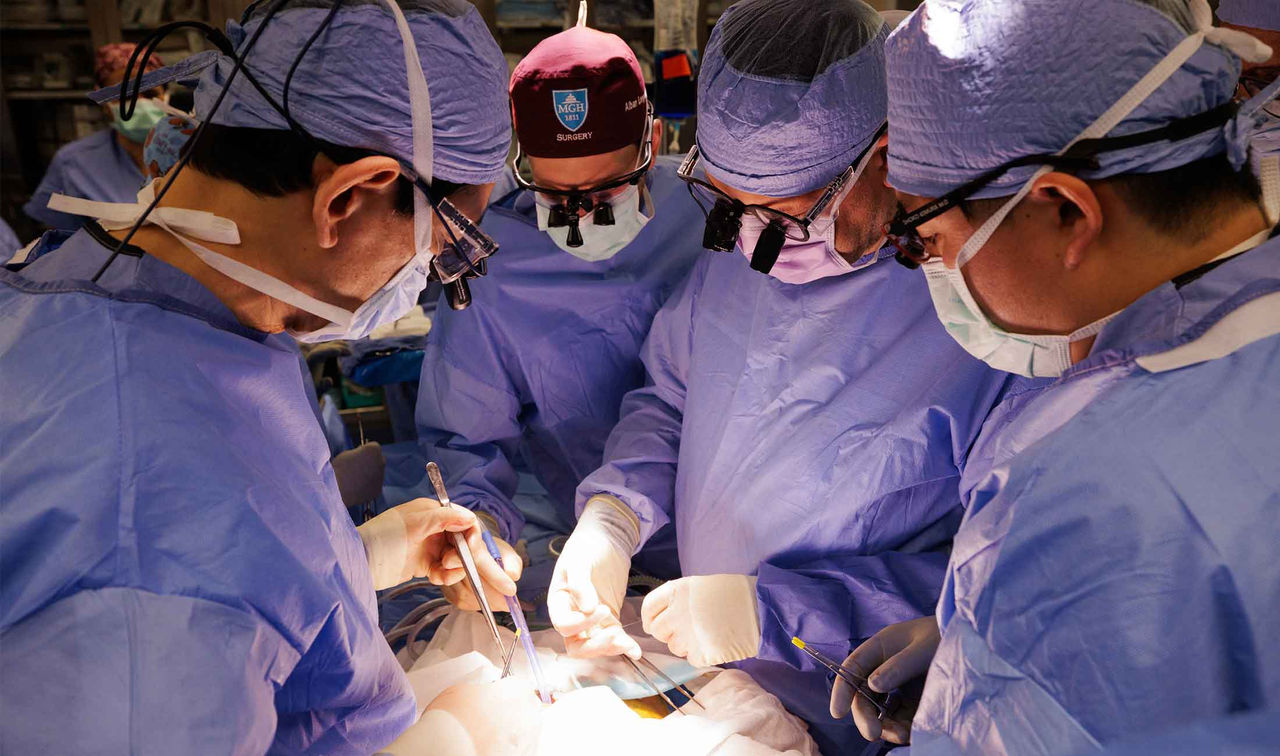
A pig kidney edited with 69 separate genetic modifications kept a Massachusetts man off dialysis for 271 days — longer than any animal organ has ever functioned inside a living human body.
- 271 days the pig kidney functioned inside patient Tim Andrews before doctors removed it
- 69 genetic edits made to the donor pig to make its organs compatible with humans
- 100,000 Americans currently waiting for a kidney transplant
- Only about 25,000 kidney transplants performed in the U.S. each year
Why pigs, and why so many edits
Pigs are considered the best candidates for xenotransplantation — organ transplants across species — because their organs are roughly human-sized and decades of farming have made them easy to source. But a pig kidney dropped straight into a person would be destroyed almost instantly: the human immune system recognizes it as foreign and launches an assault that can turn the organ black within minutes.
To get around that, the team at Mass General Brigham used Yucatan miniature pigs modified with 69 separate genetic changes. Some edits strip out pig-cell markers the human immune system attacks on sight. Others insert human DNA that acts like camouflage, and still others disable viruses that hide dormant inside pig DNA.
Tim Andrews, 66, had end-stage kidney disease from type 2 diabetes and was told it could take seven years to reach the top of the transplant list — longer than the roughly five years most patients survive on dialysis. More than 7,000 people are on the kidney transplant waiting list in the UK alone, and the shortage is a global problem. "I had a little bit of a shortage of time… it becomes very depressing," Andrews said. He described the pig-kidney option as "hope" and "the light at the end of the tunnel."
A bridge, not yet a destination
Surgeons transplanted the gene-edited kidney into Andrews on January 25, 2025. It functioned for 271 days — free of dialysis — before blood vessels inside the organ began to fail around the six-month mark, for reasons doctors still can't fully explain. There were no signs of antibodies attacking the kidney; it simply started to give out.
The organ was removed in October, and Andrews needed 82 more days of dialysis before a donated human kidney became available in January 2026. That transplant, doctors say, has been working well since.
"We are working really hard to bring hope, and we truly feel that xenotransplantation can be an alternative for patients who don't have a living donor, where we could potentially bypass dialysis and get them to a transplant," said Dr. Leonardo Riella of Mass General Brigham's Center for Transplantation Sciences.
The team published its findings in The Lancet, describing Andrews' case as proof of both "the promise and the remaining challenges of clinical kidney xenotransplantation." Mass General Brigham says other xenotransplant patients are already enrolled in follow-on studies, and researchers hope that comparing cases will eventually explain why some gene-edited organs last months longer than others — knowledge that could push future recipients well past the 271-day mark.
With demand for kidneys far outstripping supply — and patients often dying while they wait — even a temporary, imperfect pig organ that buys someone nine extra months without a dialysis machine counts as real progress.
Read more from Harvard Medical School on Andrews' case, or see the BBC's full report on the record-setting transplant.


