A spoonful of fruit-seed powder. A glass of cloudy water. A few minutes. Cleaner water at the bottom of the glass.
That is, more or less, the demonstration that just won three teenagers the 2026 Global Earth Prize — the international student environmental award — and an outpouring of attention from water researchers around the world.
The team turned a familiar South Asian kitchen ingredient, tamarind seeds, into a low-cost powder that binds to microplastics in water and drags them to the bottom of any vessel, where they can be filtered out. Their tests, judged by the Earth Prize's expert panel, showed the powder removing the large majority of suspended microplastic particles from contaminated samples in lab conditions — at a cost the team estimates at a tiny fraction of conventional filtration.
The chemistry, in plain language
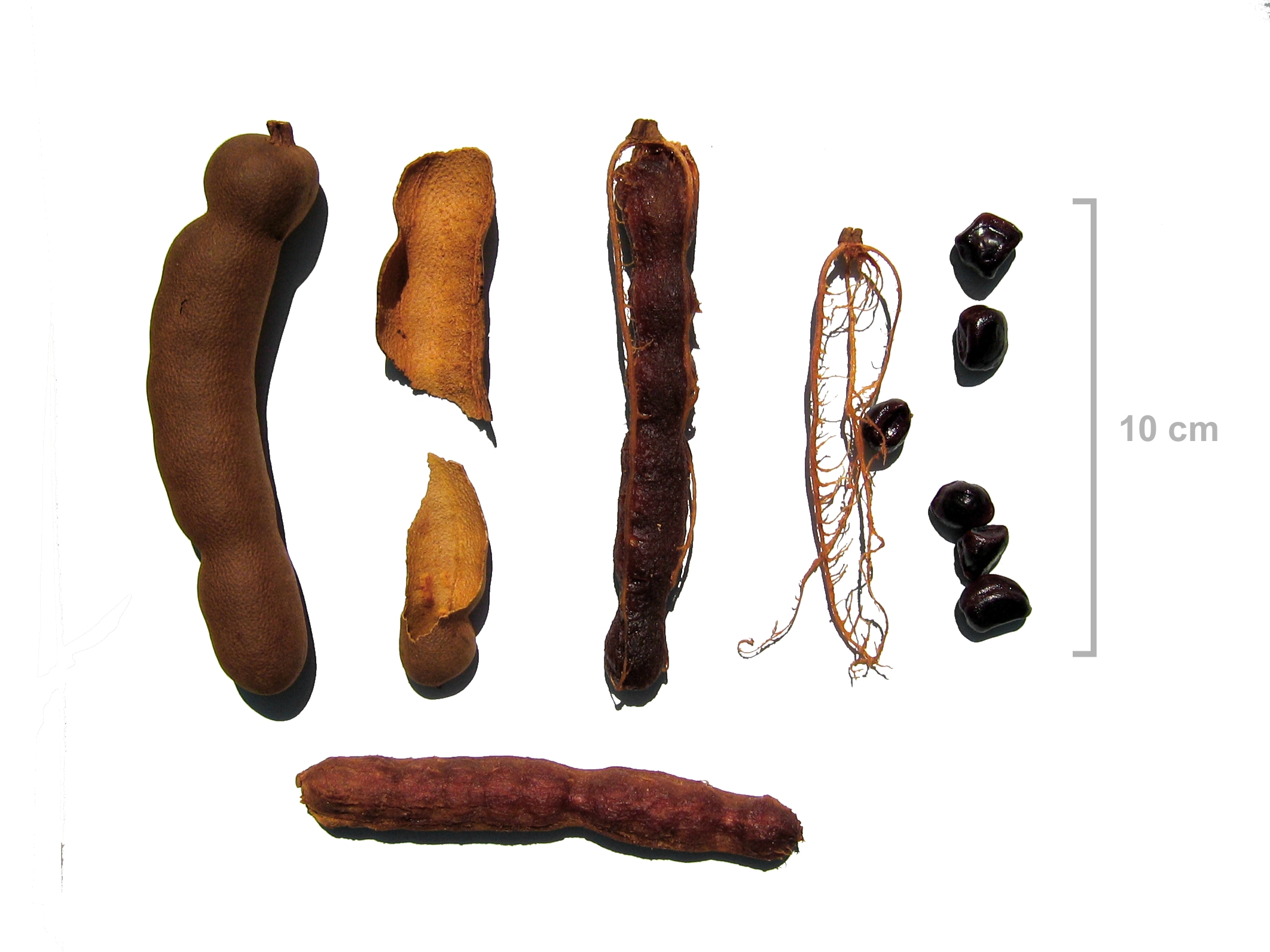
Tamarind seeds are an agricultural waste product across South and Southeast Asia. They are also rich in natural polysaccharides — long-chain sugars whose molecules carry many sticky binding sites. Once dried and ground, those sugars happily latch onto plastic fragments suspended in water. Several particles cluster onto a single sugar molecule, the cluster grows heavier, and gravity does the rest.
The result is a "coagulant" that needs no electricity, no membrane, no high-tech infrastructure. Pour, stir, wait, decant. The leftover sludge can be removed and the cleaner water poured off — a process gentle enough to imagine running in a village pump, a rural school, or a household jar.
Why a teen team beat much bigger labs
Microplastics — fragments smaller than 5 millimeters — have now been detected in tap water, bottled water, human blood and even placental tissue. The world's biggest water utilities are spending millions to filter them out. The dominant techniques rely on advanced membranes, magnetic nanoparticles or chemical flocculants that are expensive and hard to deploy in low-income communities — precisely the communities most exposed to plastic pollution.
What the winning team noticed was that the most under-served regions are also often the regions where tamarind grows on the side of the road. The seeds are already there. The waste is already there. The need is already there. Connecting those three things took a kitchen blender, a year of patient testing, and a willingness to ask whether a 200-year-old kitchen ingredient could outperform a 21st-century membrane on the most relevant metric of all: cost per liter of clean water.
What's next
The Global Earth Prize comes with mentorship and funding to help winners turn ideas into deployable products. The team plans to use it to push the powder through real-world pilots — testing the recipe in community wells, in school drinking-water systems and in rural homes, while studying what happens to the captured microplastics afterward.
Long-term, the goal is a recipe simple enough to be reproduced anywhere tamarind trees grow, by people with no laboratory and no engineering degree. If even a slimmed-down version of the technique holds up at scale, the implications stretch far beyond a science-fair display.
A waste product. A natural sugar. A patient kitchen experiment. And, just maybe, a serious dent in one of the trickiest pollution problems on the planet — invented by three teenagers.


