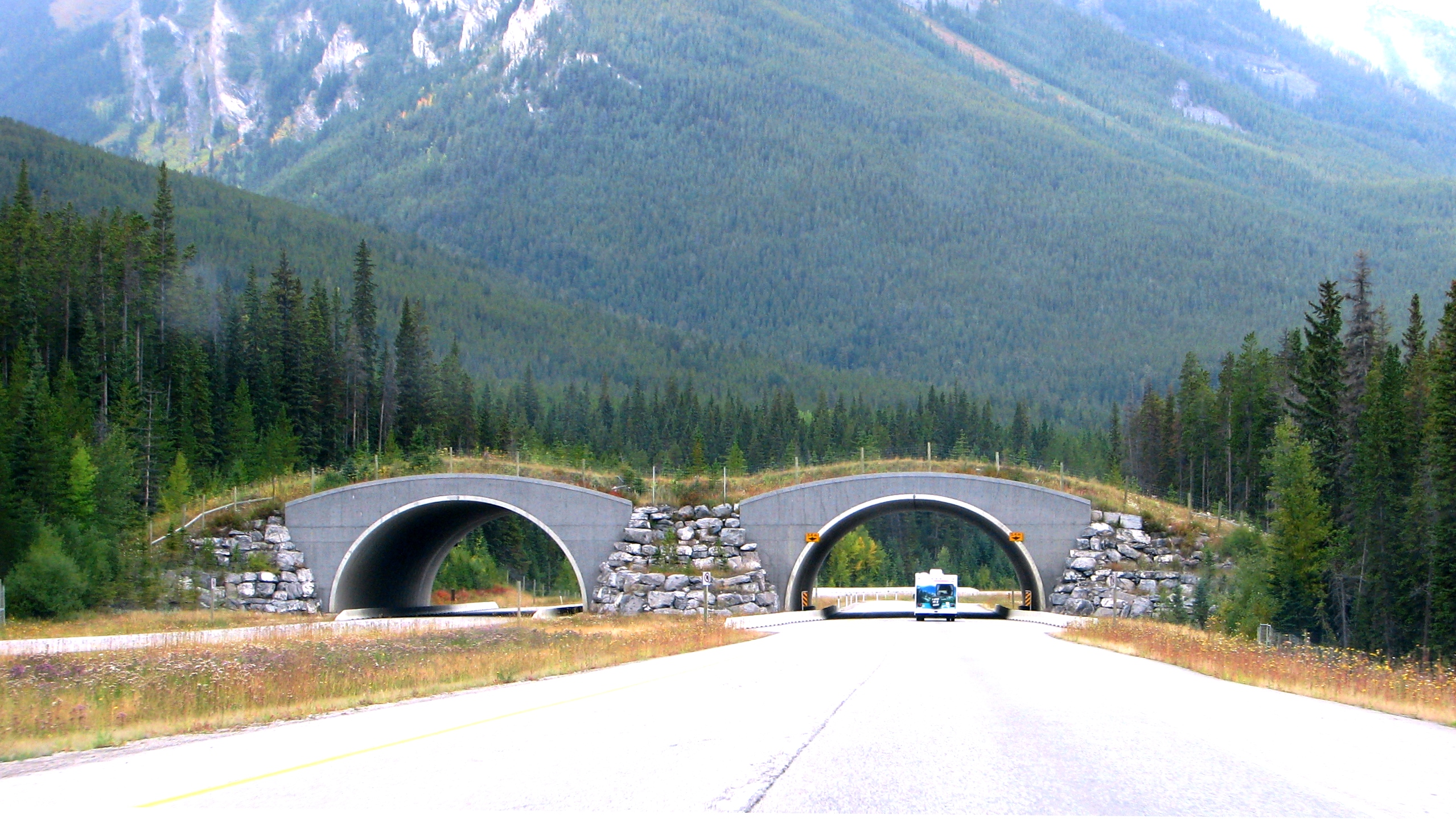
Four US states have quietly done something unusual in 2026: passed conservation legislation with strong bipartisan support.
According to reporting from the Pew Charitable Trusts and Good Good Good this week, Utah, Virginia, Idaho and Oregon have all enacted new laws designed to speed up construction of wildlife road crossings — the overpasses, underpasses and roadside fencing that guide deer, elk, bears, moose and smaller animals safely across highways. Supporters are calling the coordinated push a "blueprint" that other states can copy.
Wildlife-vehicle collisions are a bigger problem than most drivers realize. In the United States, animals and cars collide an estimated 1 to 2 million times per year, killing about 200 people, injuring 26,000 more, and causing roughly $10 billion in damages annually, according to federal transportation data. The animals lose too: mule deer, elk, pronghorn and other wide-ranging species see huge chunks of their populations chopped up by highways they cannot safely cross.
Wildlife crossings solve the problem elegantly. Where they are built — the famous Banff National Park overpasses in Canada, the crossings on Highway 93 in Montana, the tunnels beneath I-90 in Washington — collision rates typically fall by 80 to 95 percent. Animals learn the routes within a season or two, and the structures pay for themselves in avoided crashes and repairs, usually inside a decade.
The four state laws take slightly different approaches, but the direction is the same. Utah's legislation dedicates a share of transportation funding specifically for wildlife crossing projects and creates a coordinating framework between the state Department of Transportation and Division of Wildlife Resources. Virginia's bill sets up a dedicated wildlife corridor program, funded by a mix of state appropriations and matching federal dollars. Idaho's new law smooths permitting and gives its transportation department more flexibility to include crossings in road projects from the earliest planning stages. Oregon's legislation similarly ties wildlife connectivity into its transportation budget cycle and encourages partnerships with tribes and nonprofits.
What makes the package remarkable is who supported it. All four bills passed with substantial Republican and Democratic backing, in states that otherwise disagree on almost every environmental issue. Ranchers, insurance companies, hunters, drivers' groups and conservationists lined up on the same side — because the case for crossings is not primarily an environmental one. It is a public-safety and cost-savings argument that happens to help wildlife along the way.
The timing also matters. The federal Wildlife Crossings Pilot Program, created in the 2021 Infrastructure Investment and Jobs Act, offered competitive grants to states willing to put up matching funds. States without a dedicated pot of their own kept losing out. The 2026 laws in Utah, Virginia, Idaho and Oregon are, in effect, the states positioning themselves to pull down more of that federal money by proving they have skin in the game. Bipartisan bills to reauthorize the federal program past 2026 are already moving in Congress.
Other states are watching. Colorado, Wyoming, Montana and California already have active wildlife crossing programs, and legislators in New Mexico, Nevada and North Carolina have signaled interest in following the four-state model in 2027 sessions. If even half of the interested states pass similar laws, the US could see hundreds of new crossings built over the next decade — enough to meaningfully reconnect wildlife populations that have been split apart by highways for generations.
Big conservation wins tend to arrive quietly, in transportation budget line items and boring-sounding administrative reforms. This is one of them. Four states, four laws, one blueprint — and a lot fewer collisions ahead.


