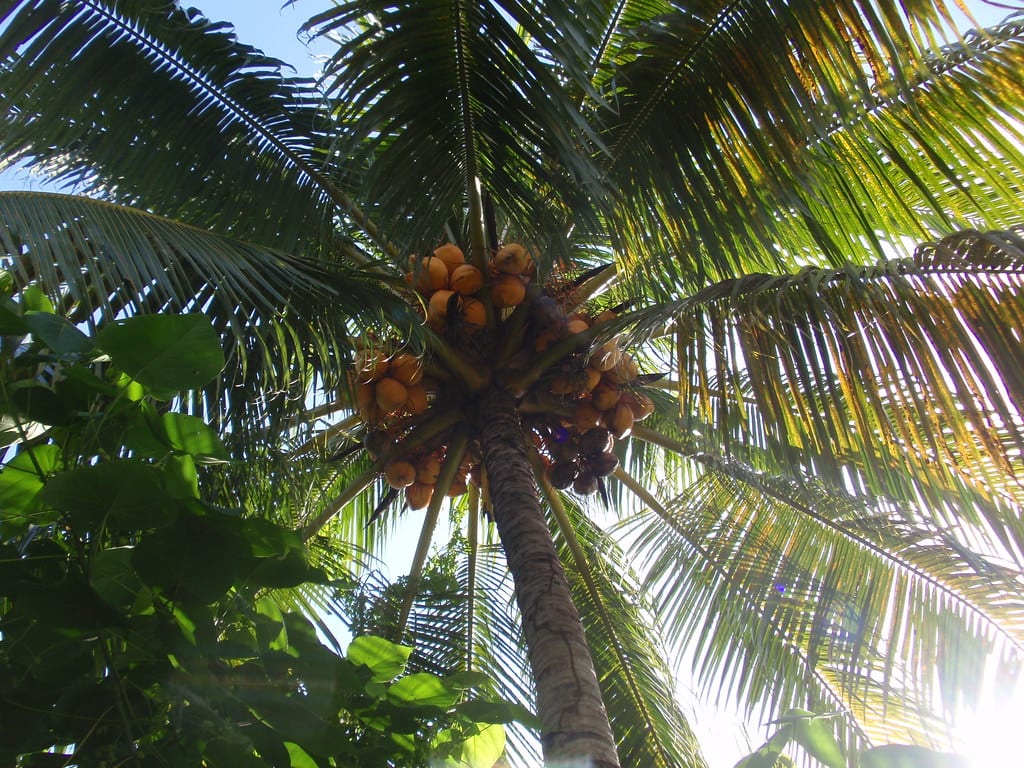
At one school in the Pacific, a coconut is now worth exactly as much toward tuition as a dollar bill — and it's keeping kids out of the water at night.
- 95% of Yap Island households grow their own crops
- 88% fish for food or income
- 78% grow coconuts, mostly just for their own table
- 1 in 3 islanders hold any cash-paying job at all
A tree with a thousand and one uses
Faith Christian Academy (FCA), a school on Yap Island in the Federated States of Micronesia, has started accepting coconuts in place of cash tuition payments. The idea came from Paul Zimmer, founder and CEO of three organizations working on Yap, including the Academy itself.
"Yap is beautiful, but cash is hard to come by," Zimmer said. "Almost every family lives off the land and sea. 95% of households grow crops, 88% fish, and 78% grow coconuts, nearly all for their own table." With so few households earning wages, a decade of balancing the school's books had shown that families were often working themselves to exhaustion just to cover fees — sometimes through dangerous nighttime fishing trips or double work shifts.
From the family table to the transcript
Yap used to be a major exporter of virgin coconut oil, but according to Zimmer, exports slowed through the 1990s and stopped entirely by the mid-2000s "because prices were low, shipping was poor, and the palms were aging." The coconuts, however, never stopped growing — they simply piled up with nowhere to go.
Zimmer's team connected the two problems. Families can now hand over coconuts, locally called "copras," instead of cash, while the Academy funnels the coconuts into Island VCO, a virgin coconut oil operation that's reviving Yap's dormant export industry. The oil is cold-pressed the same day it's received, tests at under 0.09% moisture for a long shelf life, and is pesticide-free since Yap bans pesticide use outright.
"A kid who was ready to give up his summer for his siblings gets to be a kid again, and his family can pay for school with what grows right outside their door."
What it means for the families
Shayalynn, a student at FCA since 2017 whose family comes from the outer island of Ifaluk, remembers what tuition used to cost her father. "The first year that I started in FCA in 2017, he had to work double shifts just to be able to pay for my tuition, the food on the table, and the clothes that I had to wear to school," she said. "Now he doesn't have to work too much. He can stay at home and I can see him often."
For some students, gathering coconuts has become less of a chore and more of a family tradition. Joyleen, a sophomore and one of eight children, said collecting coconuts reminds her of helping her father when she was young, while classmates describe gathering them together with friends and cousins as genuinely fun.
Island VCO is preparing its first shipments of coconut oil to American shelves, pending final FDA label review, with plans to eventually extend the tuition-for-coconuts model to other private schools across Yap and, eventually, other islands in Micronesia and the Marshall Islands through Zimmer's broader Pacific Helps network.
It's a small, local fix to a problem that usually requires outside aid money to solve — proof that sometimes the resource that was there all along just needed a new use.