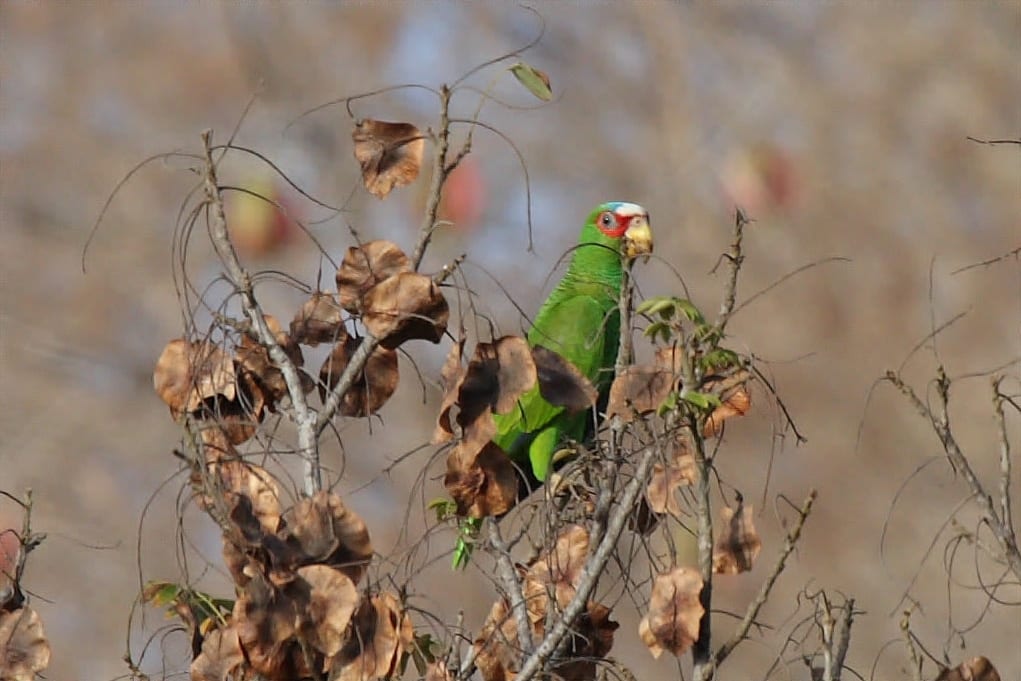
Two parrots stolen from the wild by smugglers just raised chicks of their own at the Bronx Zoo. Their recovery is part of a wider effort by the Wildlife Conservation Society to rehabilitate dozens of birds confiscated from the illegal pet trade at the U.S.-Mexico border.
- Dozens of parrots rescued and brought to WCS care this year alone
- 9 separate confiscations the Bronx Zoo has supported with the U.S. Fish and Wildlife Service since 2022
- 7 parrot species rehabilitated through the partnership, including endangered ones
- 2 chicks successfully raised this summer by a breeding pair of rescued red-lored Amazons
- 17 months spanning three separate border seizures of orange-fronted conures alone
What the rangers and vets actually found
U.S. Fish and Wildlife Service agents intercepted the birds in multiple seizures at the border, where wildlife smugglers routinely move parrots in cramped, undeclared shipments bound for the exotic pet market. Among the rescued birds were orange-fronted conures, a species listed as Vulnerable by the IUCN, and white-fronted Amazons, both protected under CITES trade rules, according to WCS's newsroom announcement.
More than a dozen white-fronted Amazons arrived within just the last several months, confiscated at the border and in poor condition after transport. The orange-fronted conures came through three separate seizures over roughly a year and a half before being stabilized and transferred to another accredited zoo for long-term care.
Why the Bronx Zoo is the one doing this
Wildlife trafficking seizures create an immediate problem beyond law enforcement: someone has to take custody of live, stressed, often malnourished animals with no clear path back to the wild. WCS veterinary and animal-care teams at the Bronx Zoo have built that expertise specifically to answer federal agencies' calls, assessing each bird's health and designing species-appropriate rehabilitation plans.
"These animals were stolen from the wild and are victims of the illegal wildlife pet trade, and our responsibility is to give them the best possible chance for a healthy future," said Chuck Cerbini, the Bronx Zoo's Curator of Ornithology. "Working with the U.S. Fish and Wildlife Service, our veterinary and animal care teams provide specialized expertise to assess, treat, and care for confiscated wildlife."
Some birds are deemed too habituated to humans or too compromised to return to the wild and instead become part of accredited zoo breeding and education programs. That's exactly what happened with two red-lored Amazons, rescued from separate trafficking incidents years apart, who paired up at the Bronx Zoo's World of Birds exhibit this year and raised two chicks to fledging.
A model other confiscation cases are following
Cerbini called the breeding success "an encouraging outcome" that demonstrates what stable housing, veterinary care, and the chance to express natural behaviors can do for trafficking survivors, rather than treating confiscated wildlife purely as evidence to be processed. WCS separately protects wild scarlet macaw nests in Guatemala's Maya Biosphere Reserve, giving the organization reach on both the supply and recovery sides of the trade.
For the birds themselves, the outcome is simple: a shipment meant to end in a cage at a black-market buyer's house ended instead with a stable home, expert care, and in two cases, offspring of their own.