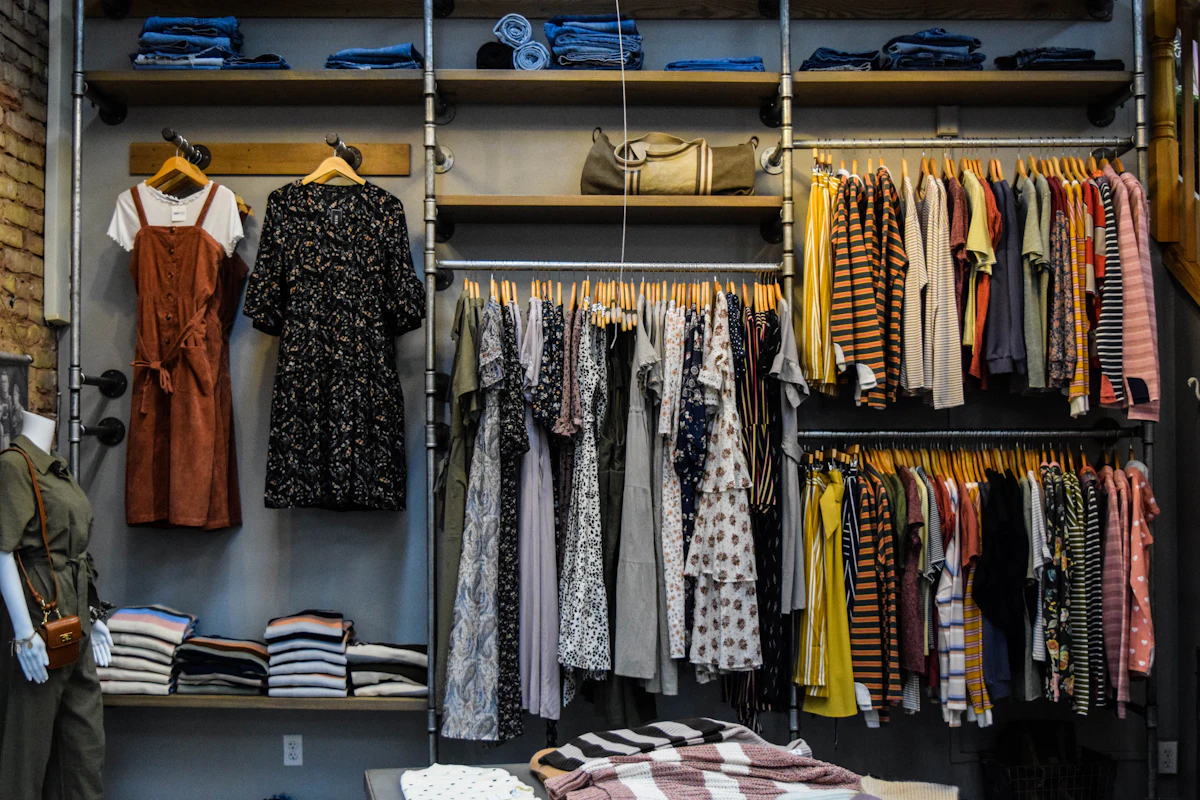
In a landmark decision that environmental advocates are calling a turning point for the fashion industry, the European Union has officially banned the destruction of unsold clothing and shoes. The new regulations, which took effect this month, prohibit companies from disposing of unsold textiles and footwear, forcing the industry to confront decades of wasteful overproduction.
The rules are part of a broader EU push toward a circular economy, aimed at improving the durability, reusability, and repairability of products while encouraging more efficient use of resources across the bloc.
A Mountain of Waste
## 92 Million Tonnes of Waste Each Year The scale of the problem the EU is tackling is staggering. Globally, approximately 92 million tonnes of textiles end up in landfills every year. In Europe alone, the destruction of unsold clothing generates around 5.6 million tonnes of carbon dioxide emissions annually — roughly equivalent to the total emissions of a small European country.
For years, major fashion brands have quietly destroyed millions of euros worth of unsold inventory rather than discount it and risk diluting their brand image. Luxury houses and fast-fashion retailers alike have been guilty of the practice, with investigative reports periodically exposing warehouses full of brand-new clothing being incinerated or sent to landfill.
What the New Rules Require
## Resale and Reuse Replace Destruction Under the new regulations, companies will be required to manage their stock more effectively and explore alternatives to destruction. These include resale, remanufacturing, donations, and reuse programs. The only exceptions are circumstances involving product safety concerns, such as items contaminated with hazardous materials.
The EU has also introduced transparency requirements, mandating that companies disclose how much unsold stock they produce and what happens to it. This data will be publicly available, allowing consumers and watchdog organizations to hold brands accountable.
Industry Response
While some industry groups have expressed concerns about implementation costs, many brands have welcomed the regulations. Several major European fashion companies had already begun voluntarily phasing out the practice in recent years, partly in response to consumer pressure and partly due to the growing business case for circular fashion models.
"This legislation creates a level playing field," said a spokesperson for the European Clothing Action Plan. "Companies that were already doing the right thing will no longer be undercut by competitors who simply burn their excess inventory."
A Broader Movement
## Concerns Over Dumping in the Global South The ban on destroying unsold goods is just one piece of a larger puzzle. The EU's circular economy regulations also address electronics, furniture, and other consumer goods. Together, they represent the most ambitious attempt by any major economic bloc to fundamentally reshape how products are made, sold, and disposed of.
Environmental groups have praised the move while noting that more work remains. Simply redirecting unsold clothing to donation channels can create its own problems, as the Global South has become a dumping ground for unwanted Western textiles, overwhelming local markets and creating environmental hazards.
Still, the consensus among sustainability experts is clear: this is a significant and necessary step. By tackling the root cause of textile waste — overproduction — the EU is sending a powerful signal that the era of disposable fashion must come to an end.


