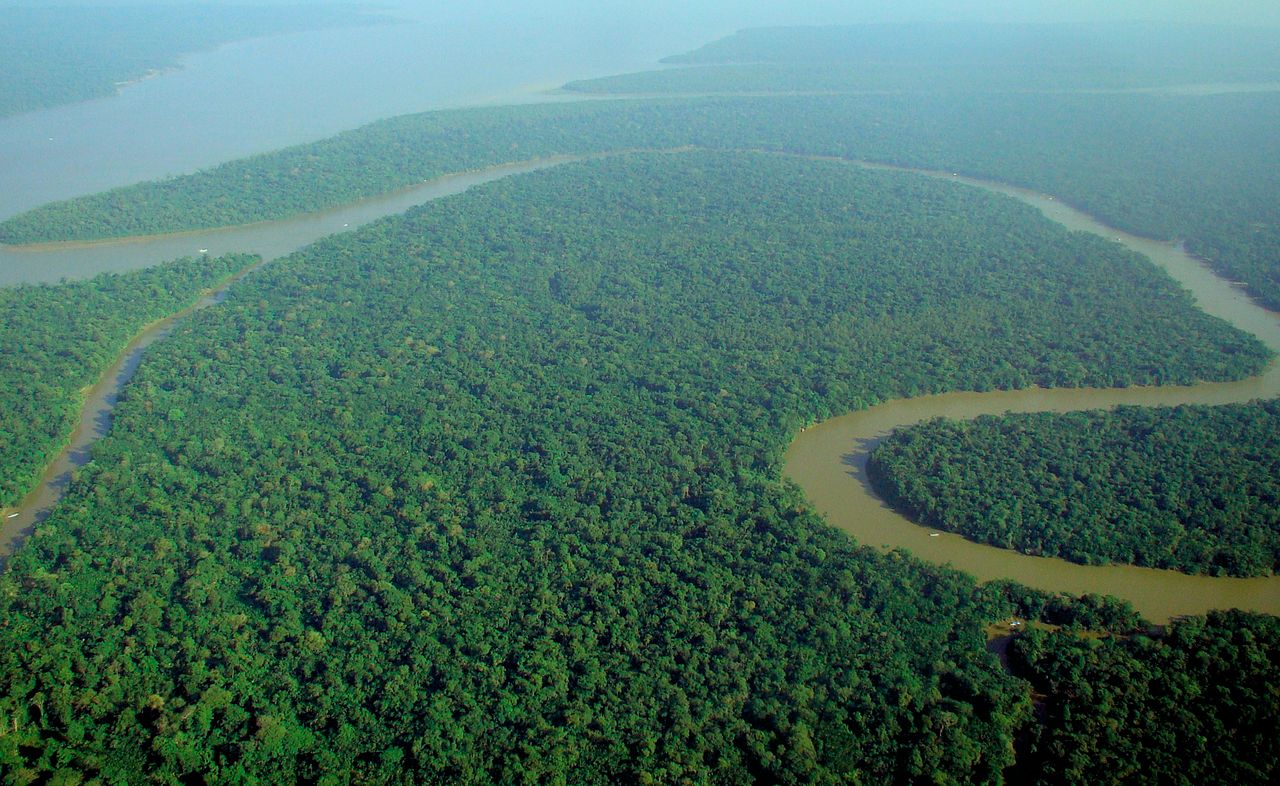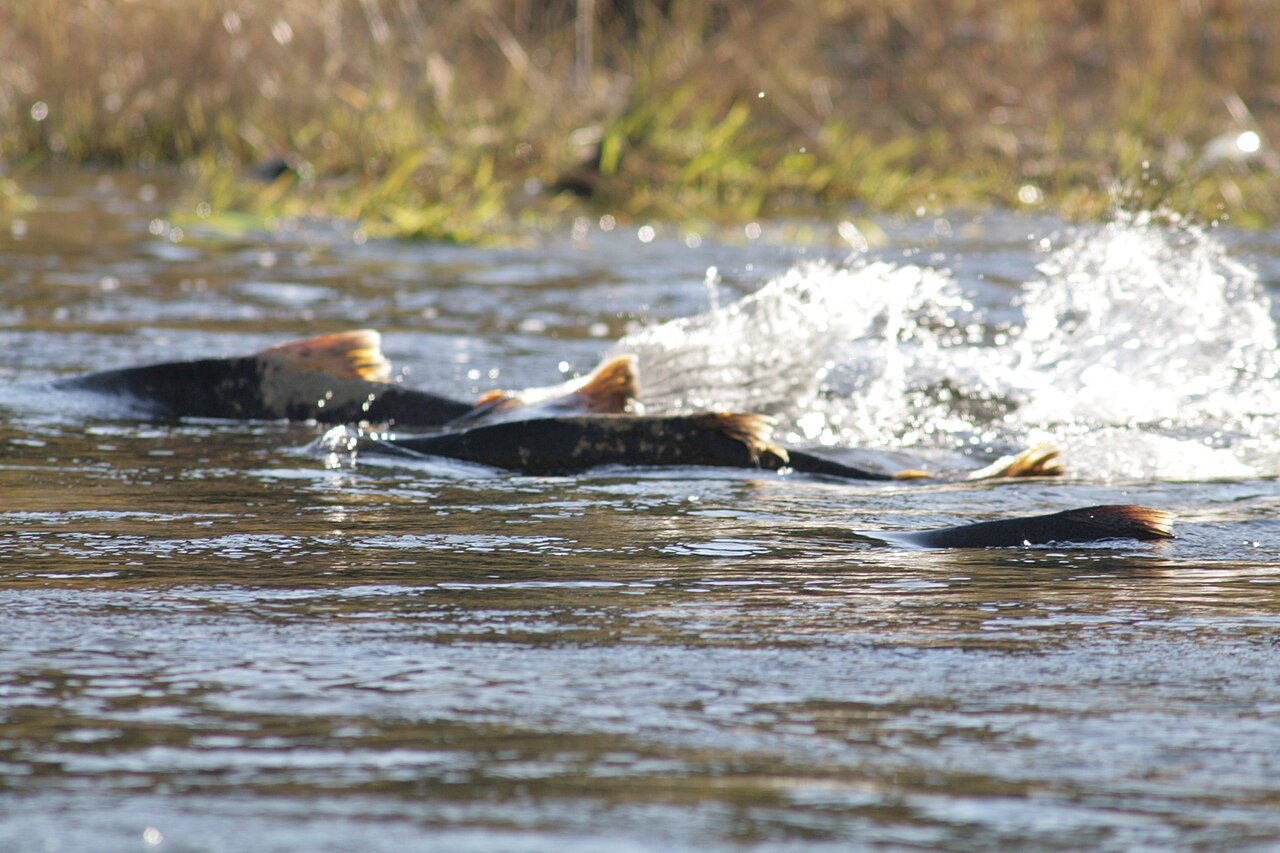
The Klamath River is teaching the country a lesson in ecological patience. A little over a year after the largest dam removal project in U.S. history wrapped up, wild Chinook salmon are spawning in stretches of the river that had been blocked off to them for more than a hundred years — and the recovery is moving faster than even the optimists expected.
Last week, the Yurok and Klamath Tribes announced that the U.S. Department of the Interior is committing $6 million to restore spring-run Chinook to their ancestral waters in the upper basin. It is the first dedicated federal investment in a planned large-scale reintroduction, and it builds on a remarkable bit of ecological news from the past few months: fall-run Chinook have already started doing it on their own.
"They came back faster than the science said was possible," said one tribal biologist working in the upper river. "We are seeing fish in tributaries that haven't held salmon in living memory."
The four hydroelectric dams on the lower Klamath were removed in stages, with the last one taken down in late 2024 in a project led by tribes, conservation groups, and the states of California and Oregon. For decades, the dams had cut off hundreds of miles of cold, gravel-bottomed habitat that salmon depend on for spawning. Populations crashed. Fishing closures became routine. The Yurok and Klamath people, whose cultures are deeply tied to the salmon runs, kept pushing.
Once the concrete came out, the river started behaving like a river again. Sediment cleared, water temperatures dropped in shaded reaches, and salmon that had been pacing the base of the dams for generations followed their noses upstream. By last fall, biologists were already documenting fall-run Chinook nests — known as redds — in the upper basin.
The new $6 million is aimed at the next chapter. Spring-run Chinook, which return earlier in the year and rely on cold mountain headwaters, are still missing from the upper river. The plan is to use a "donor" population from healthy tributaries lower down, paired with careful habitat restoration in the headwater streams of the Klamath Tribes' treaty-protected territory in southern Oregon. If it works, it will be the first large-scale reintroduction of spring Chinook in the basin since the dams went up in the early 1900s.
Federal officials called the project a model for what tribally led conservation can accomplish when given the resources to operate at watershed scale. The Klamath Tribes will design and lead the program, with technical support from the U.S. Fish and Wildlife Service and the National Oceanic and Atmospheric Administration.
For commercial and tribal fisheries, the implications could be enormous. The Klamath was once the third-largest salmon-producing river on the West Coast. Conservative projections suggest that, if recovery continues, the river could once again support thousands of returning adults a year, easing pressure on other beleaguered Pacific fisheries and providing food, ceremony, and economic income to communities that have been waiting through three generations of decline.
Ecologists are also watching how the river system itself responds. Free-flowing water moves nutrients, sediment, and migrating fish around in ways that benefit far more than salmon: lamprey, steelhead, otters, eagles, and the riparian forests along the banks all stand to gain. Early monitoring suggests insect populations and water clarity are already improving in former reservoir sites that are now reverting to wetland.
There are still real challenges — drought, agricultural water demand, climate change, and the patience required to nurse populations back over decades, not seasons. But the Klamath story is now firmly in the win column for American conservation. A century of disconnection is being undone in a few short years. Salmon are climbing the river that bears their name, and there is more help on the way.