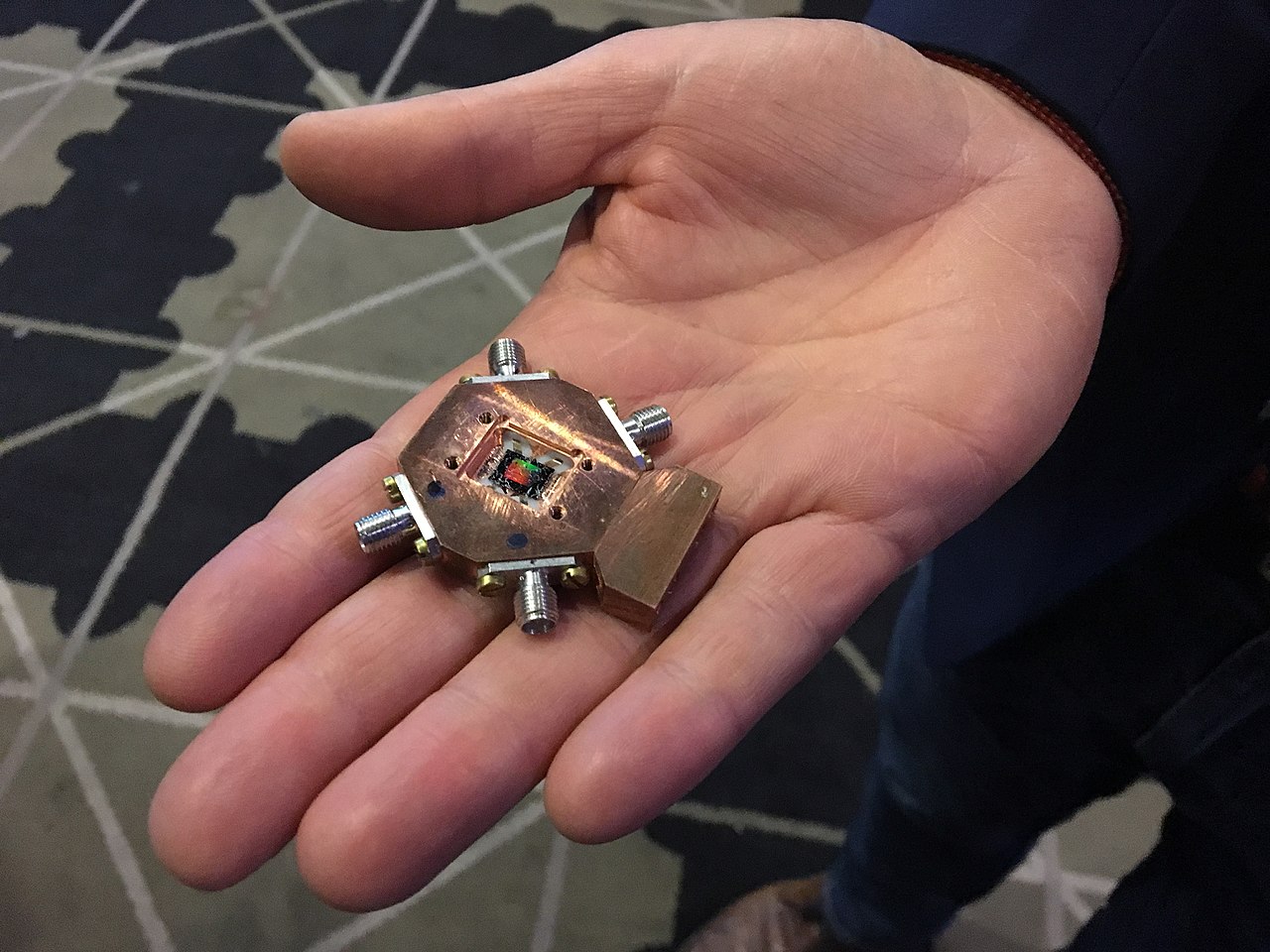
Quantum computers just got a major diagnostic upgrade. A team led by the Norwegian University of Science and Technology (NTNU) has developed a measurement technique that tracks how quickly quantum information disappears — and it works more than 100 times faster than any previous method.
The breakthrough, published this week and developed in collaboration with researchers at the Niels Bohr Institute in Copenhagen, tackles one of quantum computing's most persistent headaches: qubits, the fundamental units of quantum information, lose their data unpredictably and rapidly. Until now, scientists had no reliable way to monitor that loss in real time.
"In quantum computers, information is transmitted and stored using qubits. But quantum information can quickly be lost," said NTNU physics professor Jeroen Danon, who led the research. "In widely used superconducting qubits, the time it takes for information to disappear varies randomly over time."
Traditional measurement approaches required about one full second to assess how long a qubit retains its information. In the quantum world, where useful operations happen in microseconds, a one-second diagnostic window is practically useless — by the time you see the problem, it has already changed.
The new technique slashes that measurement time to approximately 10 milliseconds, enabling something close to real-time monitoring. "We managed to do it more than 100 times faster, and more or less in real time," Danon said. "This will make it easier to identify the underlying causes that make the information disappear."
The practical implications are significant. Quantum processors are notoriously finicky — their performance drifts for reasons that are often invisible to engineers. With this new diagnostic tool, researchers can now watch those fluctuations as they happen, potentially pinpointing environmental interference, material defects, or design flaws that were previously undetectable.
Major quantum hardware companies including IBM, Google, and startups across Europe and Asia are all racing to build machines with enough stable qubits to solve real-world problems. A faster diagnostic method could accelerate that timeline by helping engineers iterate more quickly on chip designs and error-correction protocols.
The research represents another step in the broader push to make quantum computers reliable enough for practical applications, from drug discovery to materials science to cryptography.


