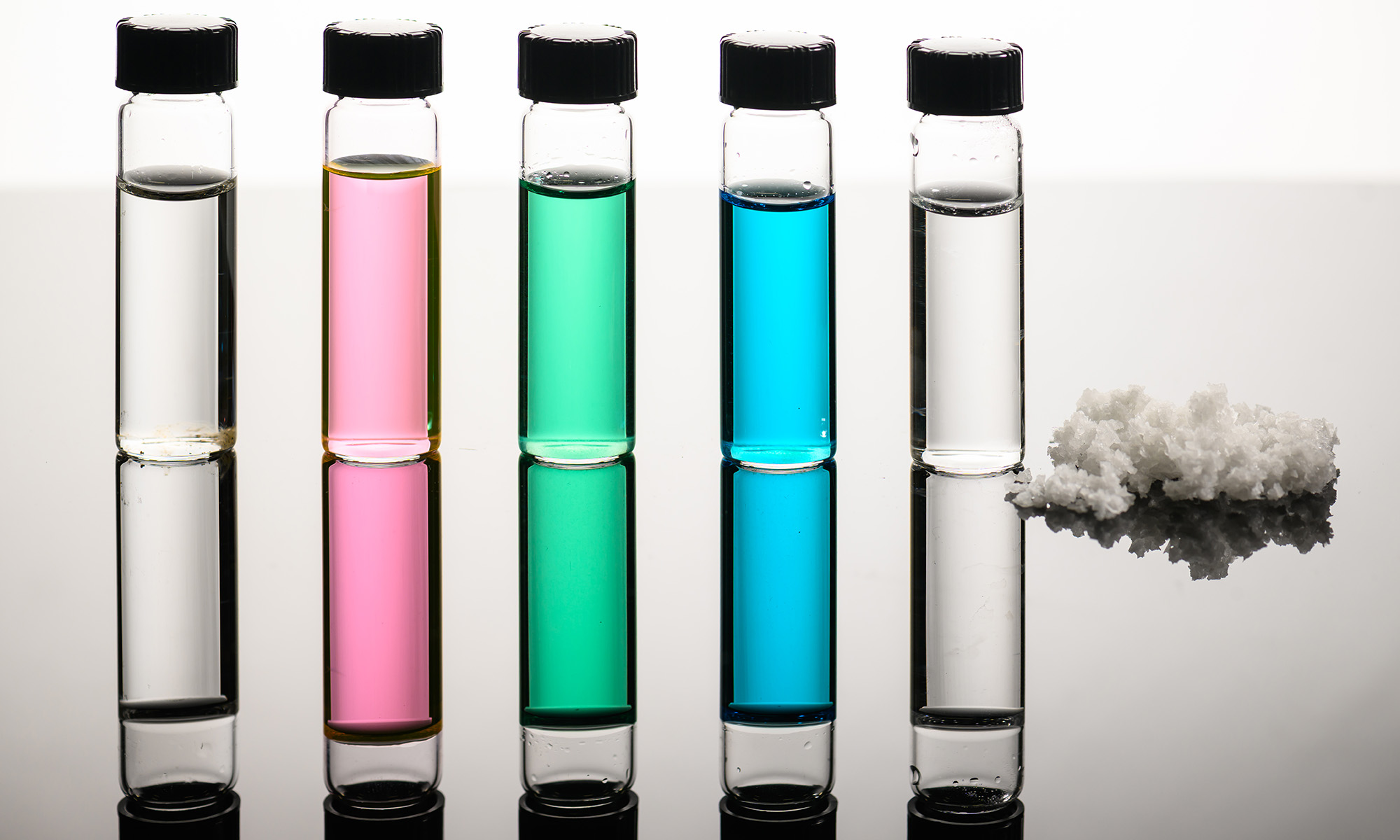
A solar panel that looks charred black can now turn seawater into drinking water — without dumping a drop of toxic liquid brine back into the ocean.
- 2.2 billion people worldwide lack access to safely managed drinking water, per the UN
- 0 liquid brine produced by the new system
- 1 quadrillionth of a second — the duration of the laser pulses used to texture the panels
- Published in the journal Light: Science & Applications
The problem with conventional desalination
Communities from California to the Middle East already lean on desalination to convert ocean water into fresh water, and the United Nations estimates that 2.2 billion people worldwide still lack access to safely managed drinking water. But the two dominant desalination methods — reverse osmosis and thermal distillation — are energy-hungry, need chemical pre-treatment, and leave behind a concentrated salty waste called brine.
When that brine gets discharged back into the ocean, it raises local salinity and lowers oxygen levels, creating conditions that are hostile to marine life near outflow sites.
How the black metal panels work
Researchers at the University of Rochester's Institute of Optics, led by professor Chunlei Guo, built a solar-thermal desalination system that sidesteps both problems. The team's method appears in the journal Light: Science & Applications, where they describe etching black metal panels with femtosecond laser pulses — bursts of light lasting one quadrillionth of a second — to make the surface intensely light-absorbing and "superwicking."
The textured surface pulls a thin layer of seawater across an active region, where it absorbs nearly all incoming solar radiation and evaporates the water. The leftover salts and minerals get funneled off to an untreated "passive" region of the panel instead of clogging the surface — the same coffee-ring effect that leaves a ring of grounds around a spilled cup of coffee.
Earlier solar desalination designs worked fine with simulated seawater made of only water and sodium chloride, Guo says, but real ocean water is far messier. Minerals like magnesium and calcium crystallize in a crusty, non-porous way that clogs panels — the same phenomenon that lines a teapot with scale, except seawater carries hundreds of times more dissolved salt than tap water.
"Mining lithium from the earth has proven to be very taxing from an energy and environmental standpoint, so pulling lithium directly from saltwater could be a very important future route," Guo said.
What it could mean beyond drinking water
By precisely engineering the grooves in the black metal, Guo's team got the various salts and minerals in real ocean water to slough off cleanly instead of building up. That keeps the panels running continuously without chemical cleaning or pretreatment, and it turns the recovered salts into a usable solid byproduct rather than a waste stream that needs disposal.
Guo's comment about lithium points to a second potential use for the technology: pulling valuable dissolved minerals directly out of seawater as it's purified, instead of mining them from the ground. Lithium extraction from brine and hard rock is already a significant source of environmental strain in places like Chile's Atacama Desert, so a passive, solar-driven alternative could ease pressure on those sites.
For now, the Rochester team's results are lab-scale, and the path to commercial desalination plants will require scaling the panel technology up considerably. But the core advance — a surface that resists clogging from real, complex seawater rather than lab-simulated saltwater — is the piece that has stumped solar desalination designs for years, and it's the piece Guo's team says they've solved.


