A "dead" EV battery pack isn't actually dead. Most of it, it turns out, can be brought back to near-full strength without ever being shredded, smelted, or dissolved in acid.
- 95% of original capacity recovered in lab tests
- 56% cut in recycled-cell manufacturing costs
- 70-80% state of health is typical for the "spent" EV batteries treated
- 90% capacity still retained after a second restoration cycle on the same battery
How the "electrochemical bath" works
Cornell researchers, led by chemical engineering professor Vibha Kalra and postdoctoral researcher Kiwon Kim, built a process called direct electrode-to-electrode regeneration, or DEER. Rather than smelting spent batteries at high heat or shredding them into a powdery "black mass" processed with harsh acids — the industry's two default recycling methods — DEER keeps each electrode fully intact.
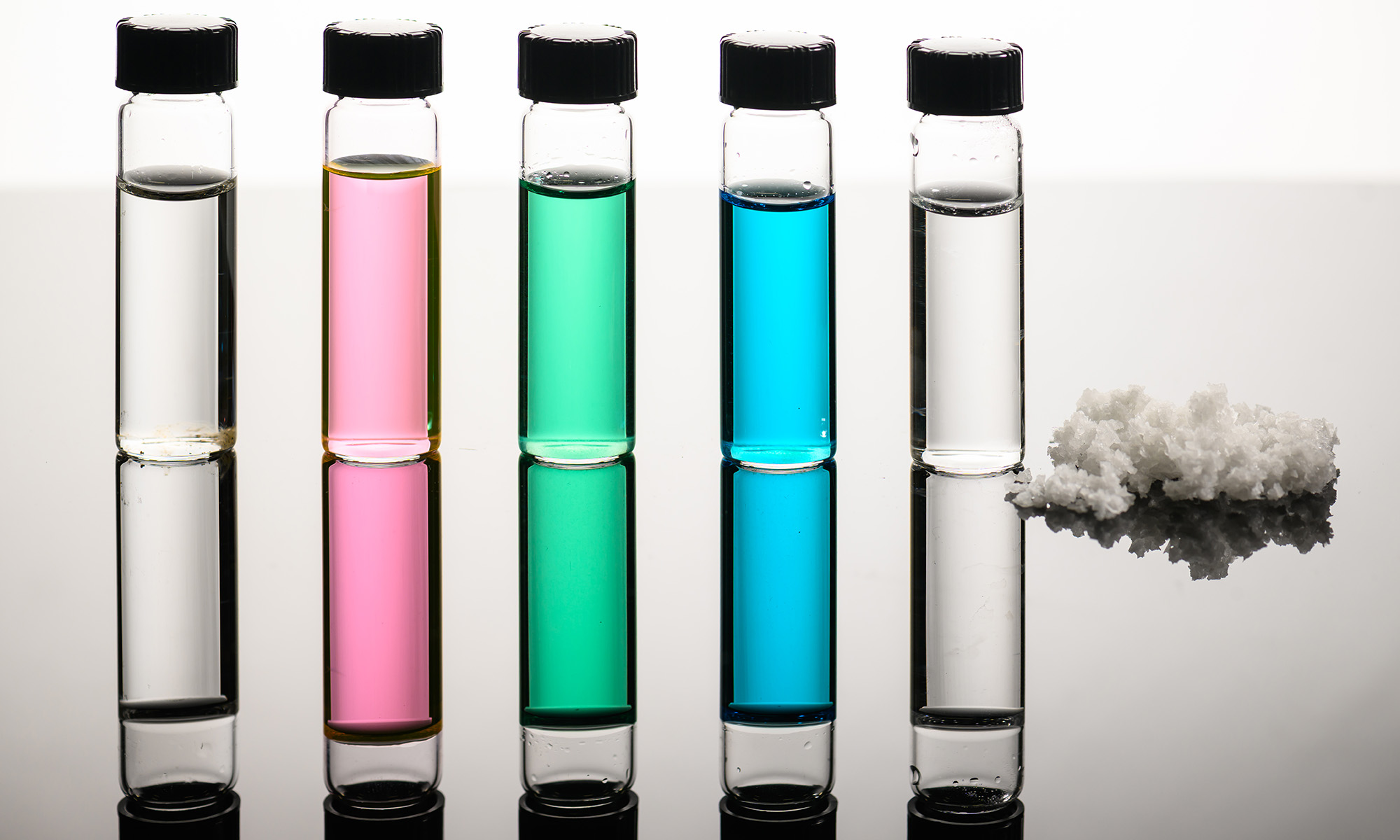
Technicians remove a spent battery's electrodes without powdering them, then submerge them in an electrochemical solution, 1,3-dimethyl-2-imidazolidinone. That solution dissolves the crusty layer, called the solid electrolyte interphase, that gradually builds up between anode and cathode every time a battery cycles — the layer largely responsible for capacity loss over a battery's life. Once that crust is gone, the electrodes go straight back into a new battery shell, no resynthesis required.
Why the mineral math matters
Nickel and cobalt, two of the key metals inside most EV batteries, are in tight global supply, and the U.S. imports the bulk of what it needs. Kalra's team, working with Argonne National Laboratory's ReCell Center, ran a full techno-economic and environmental analysis and found DEER could cut recycled-cell manufacturing costs by 56% compared with smelting or acid-based recycling, while also reducing harmful air pollutants and water use.
Global EV sales are on pace to top 20 million vehicles this year, and every one of those cars will eventually retire a battery pack weighing hundreds of kilograms. Most current recycling infrastructure funnels those packs toward smelters or acid baths that are energy-intensive and recover only a fraction of a pack's remaining value. A method that returns 95% of a battery's original power without ever breaking the pack down changes that calculus for automakers and recyclers alike, especially as nickel and cobalt costs keep climbing.
"We repair them, as is, without shredding or powdering them, and then put them back into a new battery," said Kalra. "It shows 95% recovery. So we are shortening the circularity loop immensely."
The findings, published June 9 in Energy & Environmental Science, also showed the process can be repeated on the same cells: batteries restored a second time still retained roughly 90% of their power, meaning a single pack could get multiple extended lives before ever heading to a smelter.
From lab bench to junkyard
The batteries tested so far arrived at 70–80% state of health — the range typical of EV packs retired after years on the road, long before they're truly unusable. Kalra's team, working with co-authors Shuwen Yue, Chenlu Yang, and Sabine Gallagher, is now scaling DEER up to industrial-sized battery packs and targeting other forms of degradation, including lithium loss, to widen the range of batteries the process can save.
For an industry racing to keep up with EV demand while nickel and cobalt supplies stay tight, a chemistry that can resurrect four out of five "dead" batteries — without melting a single one down — is the kind of unglamorous lab work that could quietly reshape how the world keeps its next generation of cars on the road. More detail is available via Cornell Chronicle.