More than 15,000 people moved in unison on a stadium field in northeast India — and by the time the music stopped, they had broken a Guinness World Record together.
- 15,000+ dancers performed the routine simultaneously
- 17 indigenous tribes and communities took part
- 75 years marked by Karbi Anglong's Platinum Jubilee, the occasion for the event
- 1 new Guinness World Record: largest folk dance performance
One Dance, Seventeen Communities
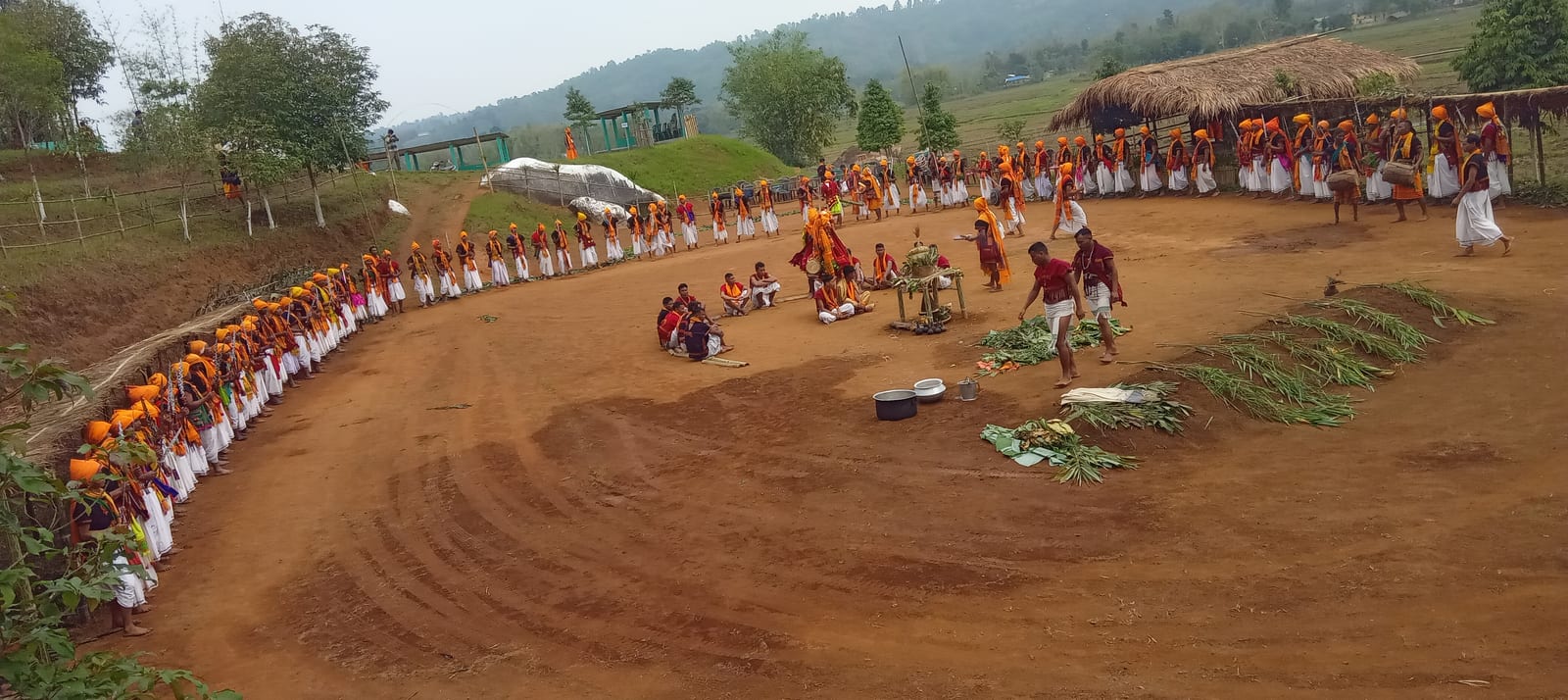
The performance took place at KASA Stadium in Diphu, Assam, as part of celebrations marking 75 years since the formation of the Karbi Anglong district. The dance performed, Nimso Kerung, is a traditional folk dance of the Karbi community, danced in long connected lines with synchronized steps — the kind of choreography built for exactly this scale of group performance.
Organizers brought together performers from 17 different indigenous tribes and communities across the district for the attempt, turning what could have been a single-community celebration into a region-wide display of cultural continuity. Guinness World Records maintains the official category for largest folk dance performance, which requires independent verification of participant counts and synchronized performance before certifying a new record.
Why Scale Was the Point
Organizing 15,000 people to dance the same steps at the same time is as much a logistics challenge as a cultural one. Every participant has to learn the same sequence, every section of the stadium has to stay in time with sections they cannot see, and the whole thing has to hold together long enough for official adjudicators to confirm it meets the record's rules.
More than 15,000 dancers from 17 different communities moved through the same traditional steps at once — turning a district's 75th anniversary into one of the largest coordinated folk performances ever recorded.
Karbi Anglong, home to the Karbi people and several other indigenous communities, was carved out as a district in 1951 and has its own autonomous council within Assam. The Platinum Jubilee celebrations were built around the idea that the district's identity is really a coalition of distinct communities — which made a mass dance representing 17 of them a fitting centerpiece.
A Record Built to Be Broken
Guinness World Records' "largest folk dance" category has been attempted and re-set in different countries over the years, which is part of the point: these records are designed to be beaten, and each attempt tends to put a spotlight on the specific tradition being performed. For Nimso Kerung, a dance most people outside northeast India had likely never heard of, a verified world record puts it on a global list for the first time.
For the Karbi Anglong district, the record is also a practical win: Guinness certifications travel well in tourism promotion, and a verified "world's largest" title is the kind of concrete, shareable fact that can draw visitors to a region built around its indigenous cultures and festivals.
Local officials have framed the record as a one-time celebration tied to the anniversary, but Guinness records are public and permanent — meaning Nimso Kerung and Karbi Anglong now have a standing global benchmark that any future celebration, anywhere, will have to beat.