A ranger who has spent more than three decades protecting Kenyan wildlife just watched a species return from local extinction on his own patch of ground — and this week he was honored for it in London, by a prince.
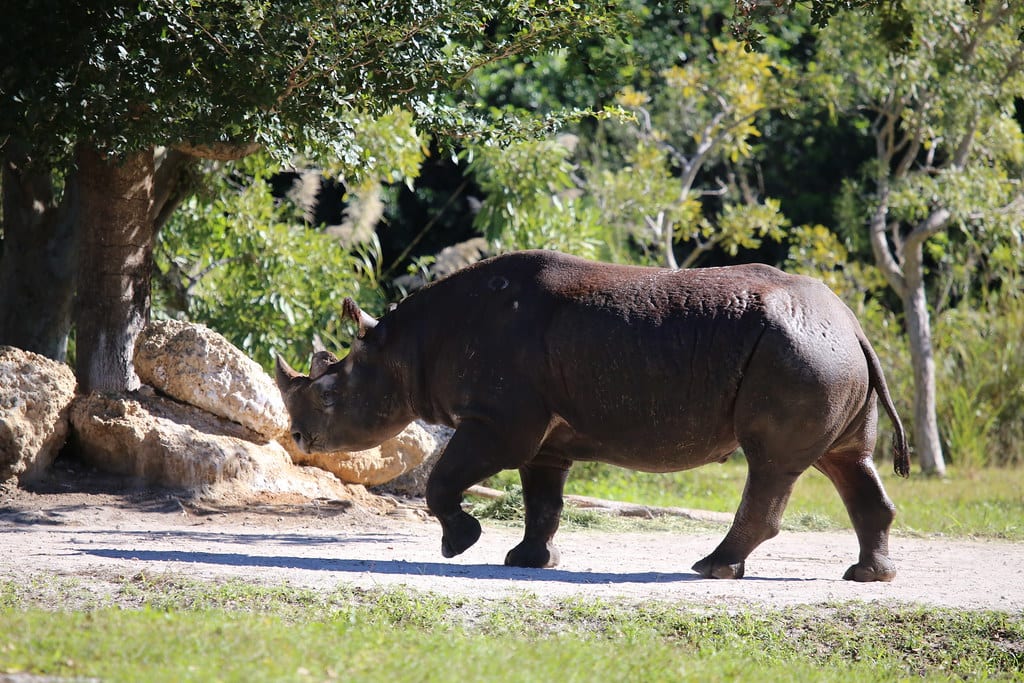
- 21 critically endangered eastern black rhinos reintroduced to Loisaba Conservancy in 2024
- 28 rhinos in the population today, after seven calves were born
- 30+ years of frontline ranger experience
- 0 poaching incidents recorded at Loisaba since 2017
Three decades on the front line
Daniel Yiankere began his career with the Kenya Wildlife Service before moving to Loisaba Conservancy in Kenya's Laikipia region, where he now leads a security and monitoring team of more than 100 rangers. His job is less glamorous than it sounds: long patrols, equipment maintenance, informant networks, and the unglamorous daily grind of keeping a vast, semi-arid landscape safe for animals that poachers will travel a long way to kill.
That work paid off. Loisaba has recorded zero poaching incidents since 2017, a security track record that became the foundation for something bigger: bringing black rhinos back to land where they had been wiped out decades earlier.
From zero rhinos to a growing herd
In 2024, after years of security upgrades and habitat preparation, 21 critically endangered eastern black rhinos were translocated to Loisaba. It was a calculated risk — a single security lapse could have undone years of planning in one incident.
Instead, the population has grown to 28 animals, with seven calves born on the conservancy since the reintroduction. Neighboring Koija communities have since expressed interest in opening up community-owned land to extend the rhinos' range even further, which would mark a new chapter in community-led conservation in the region.
For that work, Yiankere received the 2026 Tusk Wildlife Ranger Award, presented by Prince William at a ceremony in London. The award is sponsored by the Nick Maughan Family Foundation and comes with £50,000 in funding for Loisaba's conservation work over the next three years.
"After over two decades as a ranger, it means a great deal to see my work recognised. I share this award with our team at Loisaba, the Kenya Wildlife Service and neighbouring communities."
What the recognition means next
Yiankere was one of three conservationists honored at this year's Tusk Conservation Awards, which recognize individuals making outsized contributions to protecting Africa's wildlife and natural heritage. Prince William, presenting the awards, pointed to the added urgency of the work as climate pressures mount on the same frontline communities doing the protecting.
According to Capital FM Africa, the funding attached to the award will go toward supporting the rangers who patrol and monitor the rhinos daily — the people Yiankere was quick to credit rather than take sole credit for the comeback himself.
For a species that vanished from this stretch of Laikipia generations ago, 28 rhinos grazing under armed protection and expanding community support is a small number with an outsized meaning: proof that patient, unglamorous ranger work, sustained for decades rather than years, is still the thing that actually saves endangered species on the ground.