A farmer who grows vegetables on floating islands just won what's often called the Nobel Prize of gastronomy — and the real winners may be a critically endangered salamander.
- $110,000 (100,000 euros) prize awarded
- 6 hectares of chinampas cultivated by Usobiaga's project
- 50 farming families involved across four Mexican states
- ~60 Mexico City restaurants supplied
Lucio Usobiaga has spent years running Arca Tierra, a network built around Xochimilco's chinampas — ancient, pre-Aztec canal-island farms carved into the wetlands of southern Mexico City. This month the Basque Culinary World Prize named him its 2026 winner for the project's work keeping that centuries-old system alive.
What a chinampa actually does
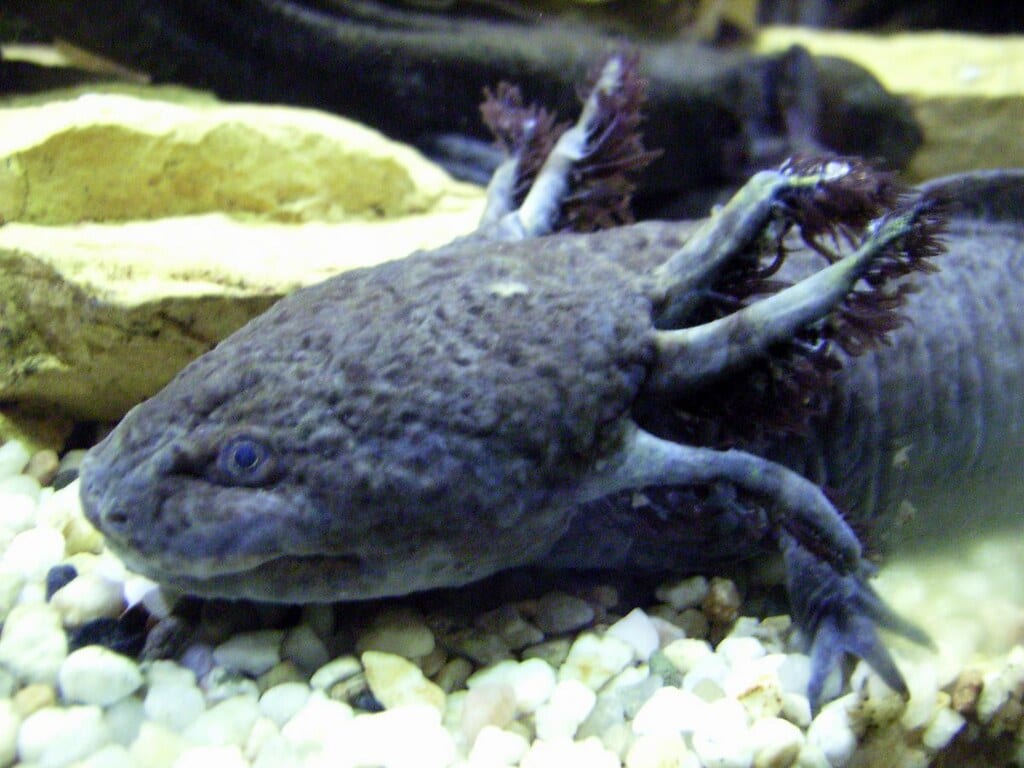
Chinampas aren't just farmland. Built from layered mud, decaying vegetation and canal silt, they filter water as it moves through Xochimilco's wetlands, feeding it back toward the aquifer beneath Mexico City. They sequester carbon, hold biodiversity most of the city paved over decades ago, and happen to be the last place on Earth where wild axolotls (Ambystoma mexicanum) still survive.
That overlap between food production and species survival is exactly what drew prize judges to Usobiaga's work. Arca Tierra's 50 partner farming families, spread across Xochimilco, Puebla, Hidalgo and the State of Mexico, grow produce using non-toxic, agroecological methods that avoid the pesticide runoff and water pollution blamed for pushing axolotls toward extinction in the wild.
"Mexico City's future is tied to the chinampas because of the water they filter back to the aquifer, the carbon they sequester, the biodiversity they hold, and the culture they sustain," Usobiaga said.
Biofilters built for a salamander
Arca Tierra's farmers have gone further than just clean farming. The project has helped develop biofilters along chinampa canals that clean the water and exclude predators, creating small pockets where axolotls can actually survive — a direct, low-tech response to a species whose wild population has collapsed to a tiny fraction of historic numbers.
Usobiaga's 6 hectares of cultivated chinampas now supply roughly 60 restaurants across Mexico City, turning conservation into a functioning supply chain rather than a subsidized preserve. "I can tell, like from the first bite, when I'm eating a beet from the chinampas," he told Food & Wine — the kind of claim that only holds up if the ecosystem behind it is actually healthy.
A prize built to fund exactly this
Created in 2016 by the Basque government and the Basque Culinary Center, the Basque Culinary World Prize hands its winner 100,000 euros to put directly toward their project, rather than treating the award as a career honor. For Usobiaga, that money goes straight back into Arca Tierra's farmer network and canal restoration work.
It's a rare case where the incentives of fine dining, climate resilience and endangered-species conservation all point the same direction: keep the chinampas farmed the old way, and the water, the carbon and the axolotls all benefit together. Further reporting on the prize and Usobiaga's project is available via Mongabay.
Arca Tierra says it plans to use the prize money to expand its biofilter network to additional canals next year, extending the same protection to more of Xochimilco's remaining wild axolotl habitat.