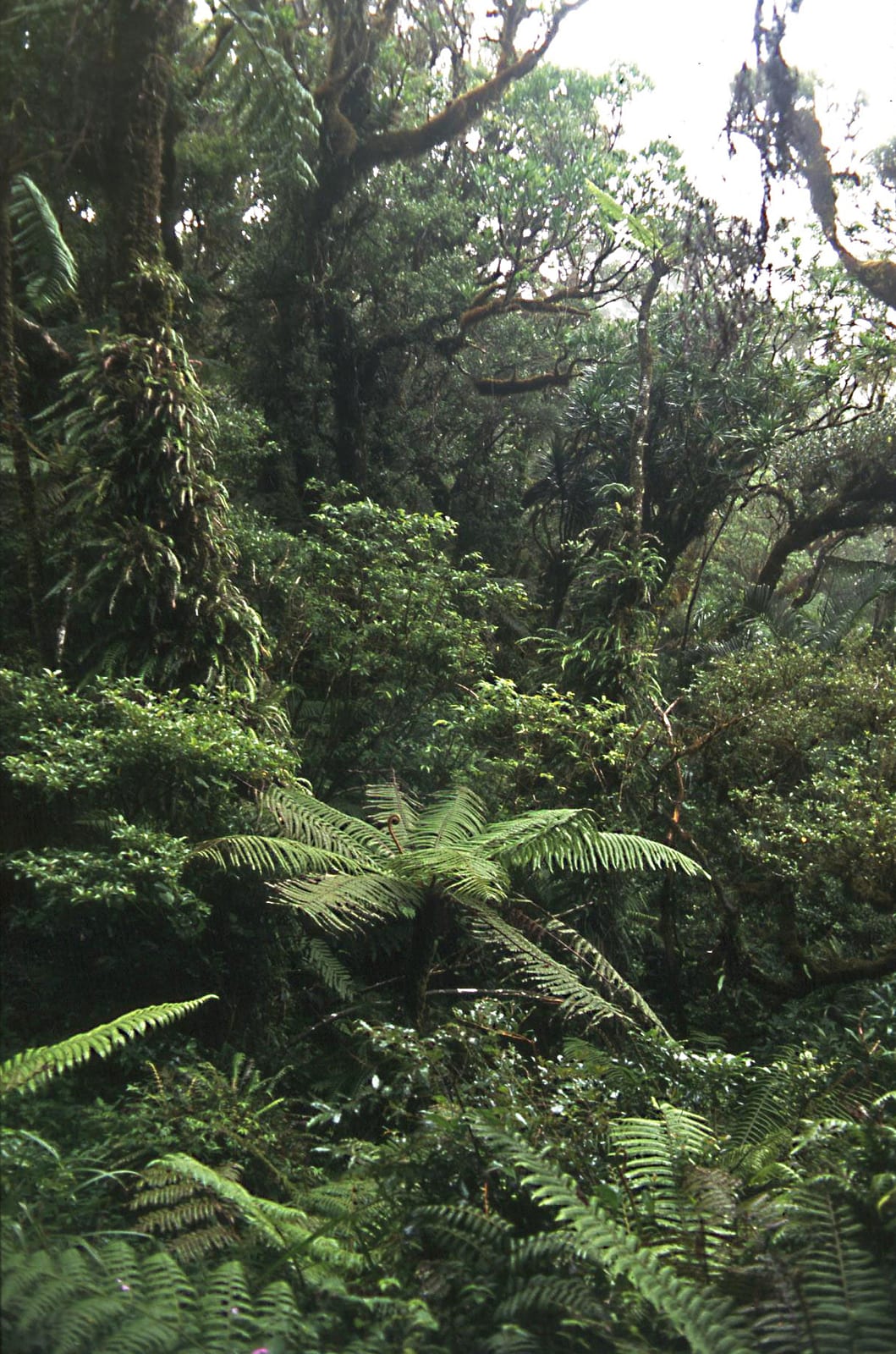
Madagascar just published the paperwork that could put a price on keeping more than half its remaining forests standing. The government this week submitted a formal concept note for "Ala Velona" — Malagasy for "Living Forests" — to the international carbon-credit registry that verifies large-scale forest protection deals.
- 4 million hectares of forest targeted for protection
- 13 regions of Madagascar covered by the initiative
- 55% of the country's total remaining forest cover
- 6 million tonnes of CO2 emissions targeted for reduction annually
- COP31, in Antalya, Türkiye, where the initiative gets its formal public launch on Nov. 16, 2026
What "Ala Velona" actually commits the country to
The concept note was filed with the ART/TREES standard, a registry that lets national governments — not individual projects — issue verified carbon credits for protecting forests at jurisdictional scale. That distinction matters: instead of one reserve or one company making a deal, the entire Malagasy government is putting its forest policy behind the commitment, according to the Wildlife Conservation Society's announcement.
Madagascar's forests hold some of the highest concentrations of species found nowhere else on Earth, from lemurs to orchids. Losing them has been a slow-moving crisis for decades, driven largely by small-scale agricultural clearing rather than industrial logging. A financing mechanism that pays the country for forests left intact — rather than only reacting after they're cut — changes the economics for communities who currently have few alternatives to clearing land.
How the money is supposed to reach communities
High-integrity forest carbon credits are designed to route revenue back to the national government and, through it, to the regions and communities actually protecting the land. That's the theory the WCS and Malagasy officials are leaning on publicly.
"Madagascar deserves recognition for taking this important step toward long-term, equitable security for its extraordinary forests and biodiversity," said Joe Walston, WCS Executive Vice President for Global Conservation. "By pursuing high-integrity forest carbon credits, the government demonstrates how protecting nature can directly support communities, build resilience, and contribute to countering climate change."
The concept note is a formal first step, not a finished deal — it still needs to move through verification before credits can actually be issued and sold. But filing it publicly, and timing the announcement to coincide with COP31, signals that Madagascar wants international buyers and climate negotiators watching closely when the initiative launches next week.
Why the scale here is unusual
Most forest carbon deals cover a single park or reserve measured in tens of thousands of hectares. Ala Velona spans 13 separate regions and nearly 4 million hectares at once — an area roughly the size of Switzerland. If the credits are eventually verified and sold, it would rank among the largest national-scale forest carbon programs in the world, putting Madagascar in a similar category to larger-economy efforts in the Congo Basin and Indonesia that have pursued comparable jurisdictional financing.
For a country that has struggled for decades to fund conservation at the scale its biodiversity demands, Ala Velona is a bet that the forests themselves can finally start paying for their own protection.