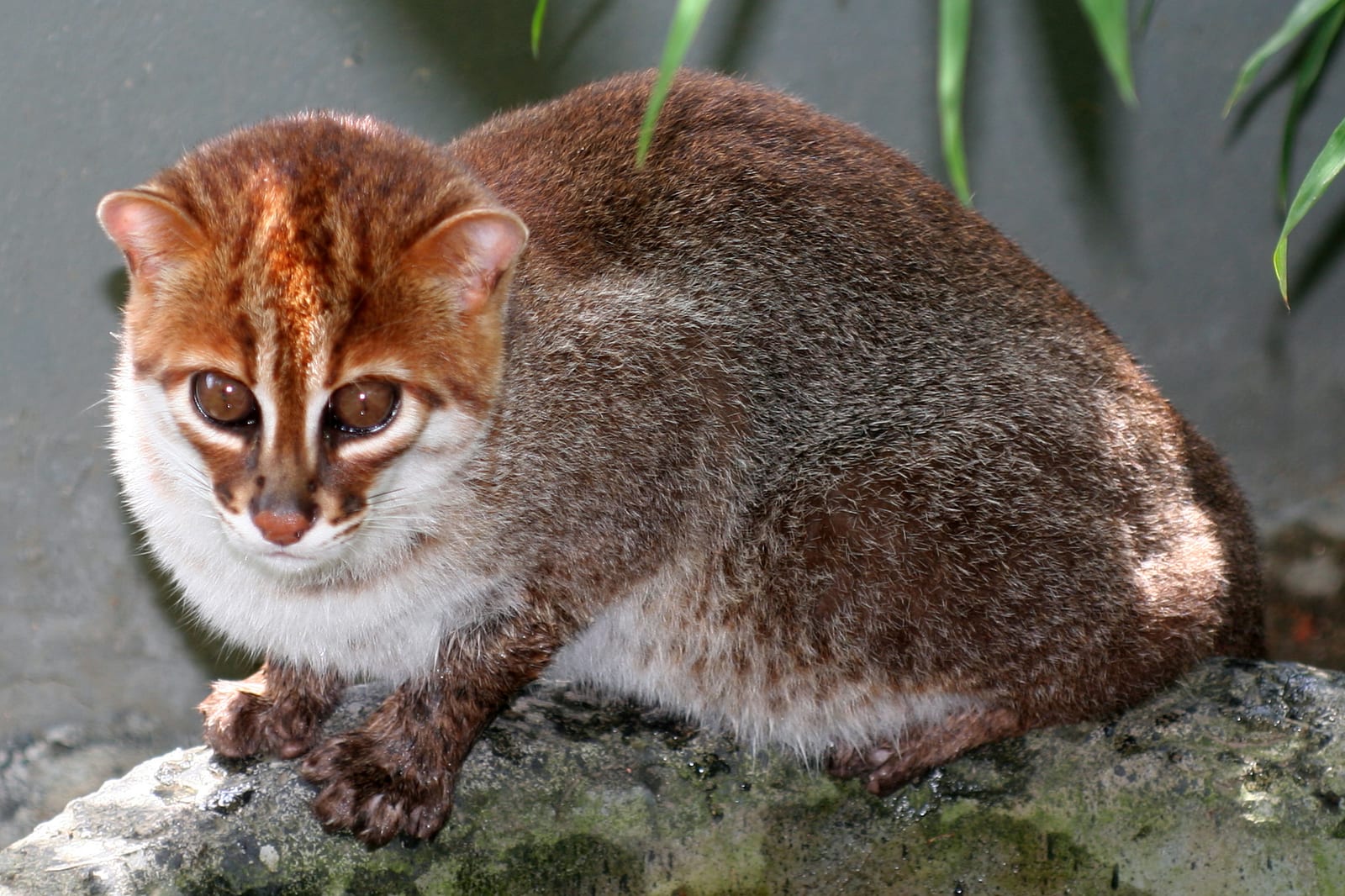
A cat so rarely seen that scientists know almost nothing about its daily life just turned up on camera 59 times in a Malaysian mangrove forest — including one clip showing a mother with her kitten.
- 59 camera-trap detections of the flat-headed cat over the survey
- 49 of those sightings came from a single palm-wetland habitat type
- 7,426 total wildlife records collected, with the cat making up just 0.8%
- 3 years of fieldwork, August 2021 to May 2024
A cat almost nobody studies
The flat-headed cat (Prionailurus planiceps) is one of the least-studied wild cats on Earth and is listed as endangered by the IUCN Red List. It survives only in lowland wetlands and mangroves across parts of Borneo, Sumatra, and the Malay Peninsula — habitat that is rapidly being cleared for agriculture and development.
Researchers from Malaysia's Forest Department Sarawak set out to learn more by running camera traps across 3,582 hectares (8,851 acres) of mangrove forest in the proposed Lundu Mangrove Protected Forest in southwestern Sarawak, on the island of Borneo. The terrain made the work brutal: boat-only access, deep tidal mud, and humidity that regularly fried electronics.
What the cameras actually found
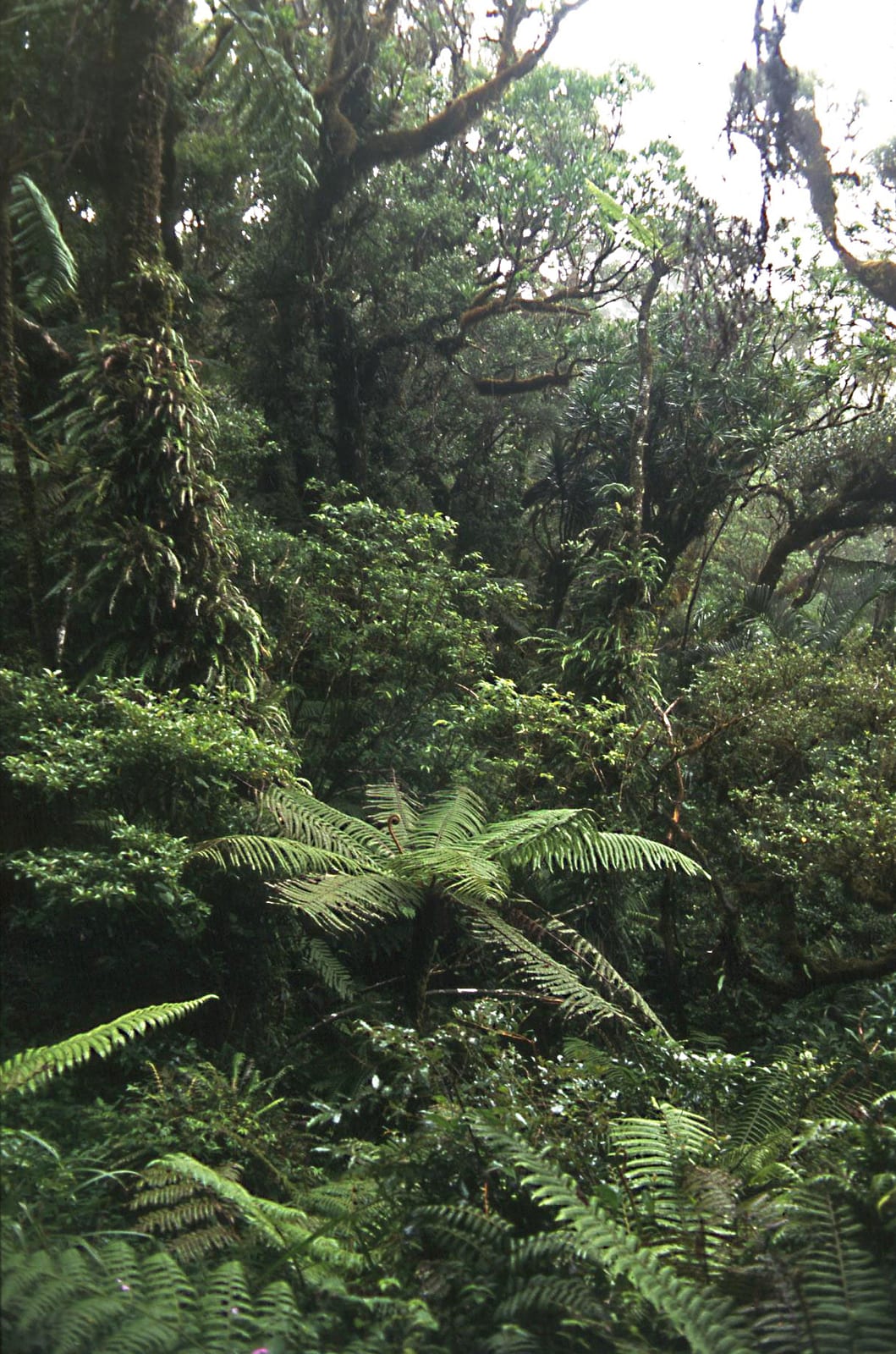
The payoff was a rare window into how the species really lives. Of the 59 detections logged, nearly all came from one specific habitat type: nibong palm (Oncosperma tigillarium) wetlands sitting 10 to 20 meters above sea level, where freshwater puddles collect away from the tides.
"Out of 58 recorded detections, 48 were from Nibong, nine from Buta-buta and one from Nipah habitat," said Ahmad Ampeng, a research officer with the Forest Department Sarawak and one of the study's authors, describing the breakdown by forest type. Only a single detection came from the tidally flooded swamps at sea level that make up most of the surrounding mangrove.
That pattern suggests the cats are picking elevated, freshwater-adjacent ground specifically because it's better for hunting fish, crabs, and amphibians — a detail that could reshape how conservationists prioritize which patches of mangrove to protect.
Daytime cats and a hopeful kitten
The cameras also upended a long-standing assumption. Flat-headed cats were presumed almost entirely nocturnal, but the Sarawak data showed real activity stretching into daytime hours, with a peak closer to midnight but regular sightings through late morning and afternoon.
"This was particularly encouraging because it provides evidence of the species' presence alongside potential reproductive activity in the study area," Ampeng said, describing camera footage of an adult female accompanied by a kitten — one of the clearest signs yet that the population is breeding, not just passing through.
The full results were published in the journal Ecology and Evolution.
Why it matters beyond one cat
For a species this obscure, confirming where it actually forages and breeds is a big deal for anyone trying to argue for its habitat's protection. Sarawak's mangroves support fish nurseries, storm protection, and carbon storage well beyond the needs of any one predator.
"Conserving the Flat-headed Cat is not only about protecting one endangered wild cat; it is also about protecting the mangrove ecosystem and the many other wildlife species that depend on it," Ampeng said.
With the Lundu Mangrove Protected Forest still only proposed rather than formally gazetted, the research team hopes data like this — hard numbers on exactly which habitat zones matter most — will help push the designation through. For a cat that spends most of its life unseen, being caught on camera 59 times may turn out to be the strongest argument yet for keeping its forest standing.