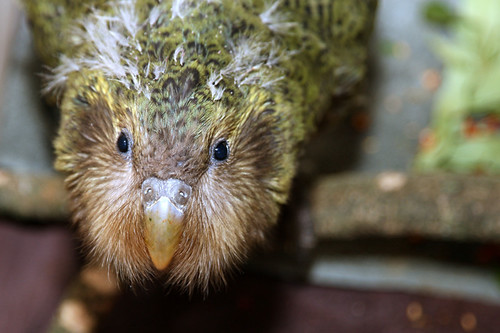
Ninety fluffy kākāpō chicks just pushed New Zealand's rarest parrot to numbers the species hasn't seen in three-quarters of a century.
- 51 kākāpō remained when the recovery programme began in 1995, only 20 of them female
- 90 chicks hatched and fledged in the record 2026 breeding season
- 325 kākāpō are alive today — the highest count of the recovery era
- 3 predator-free island sanctuaries hold the entire wild population
From the brink to a baby boom
In 1995, the kākāpō — the world's only flightless, nocturnal parrot, and also its heaviest — was teetering on extinction's edge. New Zealand's Department of Conservation (DOC) had just 51 birds left to work with, scattered survivors of a species once hunted for meat and feathers and later wiped out across the mainland by introduced predators like stoats, cats, and rats.
On September 1, 2026, DOC formally added 90 chicks from this year's breeding season to the official population count, once each youngest survivor passed the 150-day mark that marks independence. The total: 325 kākāpō, a figure DOC calls a "recovery-era high." Some researchers believe the species may not have topped 300 individuals in roughly 75 years — meaning this year's chicks pushed kākāpō numbers past a threshold not crossed since before most of today's conservationists were born.
Why kākāpō breed so rarely
Unlike most birds, kākāpō don't nest every year. Females only breed when rimu trees produce a bumper crop of berries — an event that happens just once every two to four years and supplies the fat and protein needed to raise chicks. That biological quirk makes the 2026 season's haul especially significant: it was one of the largest single-year additions since recovery efforts began, and it won't be repeated again for at least another two years.
The entire population now lives across three predator-free island sanctuaries: Whenua Hou (Codfish Island) near Rakiura/Stewart Island, and Fiordland's Anchor Island and Chalky Island. Round-the-clock nest monitoring, supplementary feeding, and hands-on care by DOC rangers — working alongside Ngāi Tahu, the species' Māori kaitiaki, or guardians — have kept the fragile population climbing most years since the programme's darkest days in the 1990s.
Researchers believe the kākāpō population last exceeded 300 birds as long as 75 years ago — meaning this year's chicks pushed the species into territory not seen since roughly the Second World War.
What comes next for the world's heaviest parrot
Every kākāpō alive today is individually named and tracked, and decades of genetic data now guide which birds are paired for breeding to protect what remains of the species' genetic diversity — a serious concern in a population this small and this closely related. DOC's official kākāpō recovery page profiles the birds by name, and the department's September 1 media release lays out the new total in full.
The kākāpō remains critically endangered — 325 birds is still a fraction of a healthy population, and a single disease outbreak or a run of poor breeding seasons could erase years of progress. But three decades after the species nearly vanished entirely, New Zealand's most improbable conservation project keeps notching records. Each new chick is proof that patient, unglamorous work — moving eggs between nests, hand-rearing struggling hatchlings, tracking every individual bird for life — can pull a species back from the edge, one bumper rimu season at a time.


