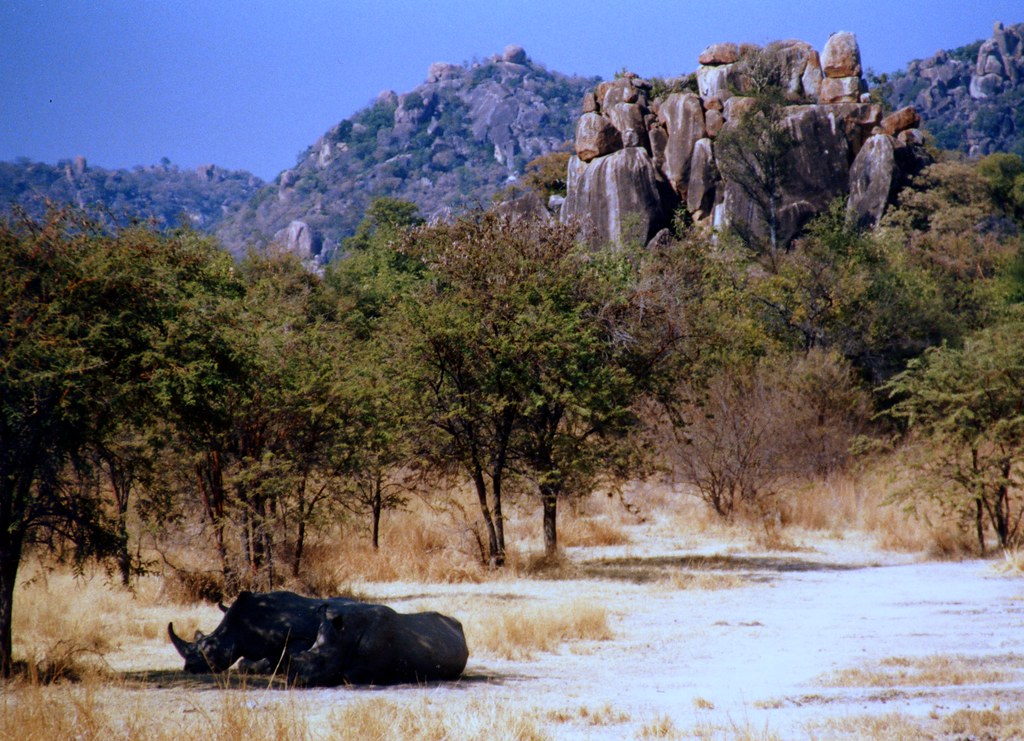
Zimbabwe was once a byword for rhino poaching. In 2026, it reported none at all.
- 0 rhino poaching incidents recorded in Zimbabwe in 2026
- 1,406 black and white rhinos now living in the country
- 6,788 black rhinos across Africa overall, more than double their 1993 low of roughly 2,475
- 26,700 rhinos remain worldwide across all five surviving species
A Full-Circle Conservation Story
The figures come from the International Rhino Foundation's 2026 State of the Rhino report, released to mark World Rhino Day. The annual report tracks population trends and poaching data across every rhino range state, and this year it singled Zimbabwe out for turning around one of Africa's harder conservation stories.
"Zimbabwe, where rhinos were heavily poached in the past, is a full circle conservation success story," Nina Fascione, executive director of the International Rhino Foundation, said of the country's turnaround. Zero poaching incidents combined with a rhino population that has climbed to 1,406 animals mark one of the clearest wins in this year's report.
Zimbabwe wasn't alone. Nepal and India's Assam state — home to roughly 80% of the world's greater one-horned rhinos — also reported zero poaching losses in 2025. Namibia recorded its lowest poaching numbers in a decade.
Why Zimbabwe's Zero Matters
Poaching devastated African rhino populations for decades, driven by demand for horn — made of keratin, the same protein as human hair and fingernails — on illegal markets. At the crisis's peak, 1,349 African rhinos were killed in a single year, 2015 alone.
Progress since then has been real but uneven. South Africa, home to the world's largest rhino population, still lost 352 rhinos to poaching in 2025, even after a 16% improvement from the year before. Zimbabwe reporting zero shows sustained protection can flip that trend entirely, not just slow it down.
"Strong government protections are helping," Fascione said. "Convictions are getting more consistent and longer in duration, which hopefully serves as a deterrent to future poaching."
The Global Rhino Picture
Not every species is on the same trajectory. Black rhinos have more than doubled continent-wide, and greater one-horned rhinos have climbed from fewer than 200 in the early 1900s to over 4,000 today — successes credited to habitat protection, anti-poaching enforcement, and careful translocations into former range. The IRF's full report projects black rhino numbers could reach nearly 9,000 by 2032 if current efforts continue.
White rhinos are the exception, slipping from roughly 17,464 in 2023 to 15,752 in 2024 due to renewed poaching pressure. Javan and Sumatran rhinos remain critically endangered, with barely 50 and under 50 individuals left respectively, both confined to fragmented pockets of Indonesia.
Zimbabwe's numbers are a reminder that rhino recovery isn't automatic or permanent — it has to be actively defended every year. But for one country that used to symbolize the crisis, a year with zero poaching losses and a rhino population still growing is proof the trend can be reversed.
Success Creates Its Own Problem
Growing rhino populations create a challenge conservationists are happy to have: finding enough safe land to hold them. Black rhinos in particular have expanded so successfully in parts of Africa that some traditional habitats are now considered overcrowded, prompting a wave of translocations to reestablish herds in areas that had been without rhinos for decades.
Those moves do double duty — they ease pressure on crowded reserves while also spreading genetic diversity and risk across more locations, so a single disease outbreak or security lapse can't wipe out an entire population at once. Rangers, veterinarians, and communities on the ground make those translocations possible, and increasingly rely on drones, camera traps, and GPS collars to keep newly relocated herds safe.
Tourism also plays a quiet but real role in funding that protection. Visitors drawn to see rhinos in the wild generate park fees, guiding jobs, and local business that give surrounding communities a direct stake in keeping poachers out — turning a once-endangered animal into one of the strongest economic arguments for conservation itself.