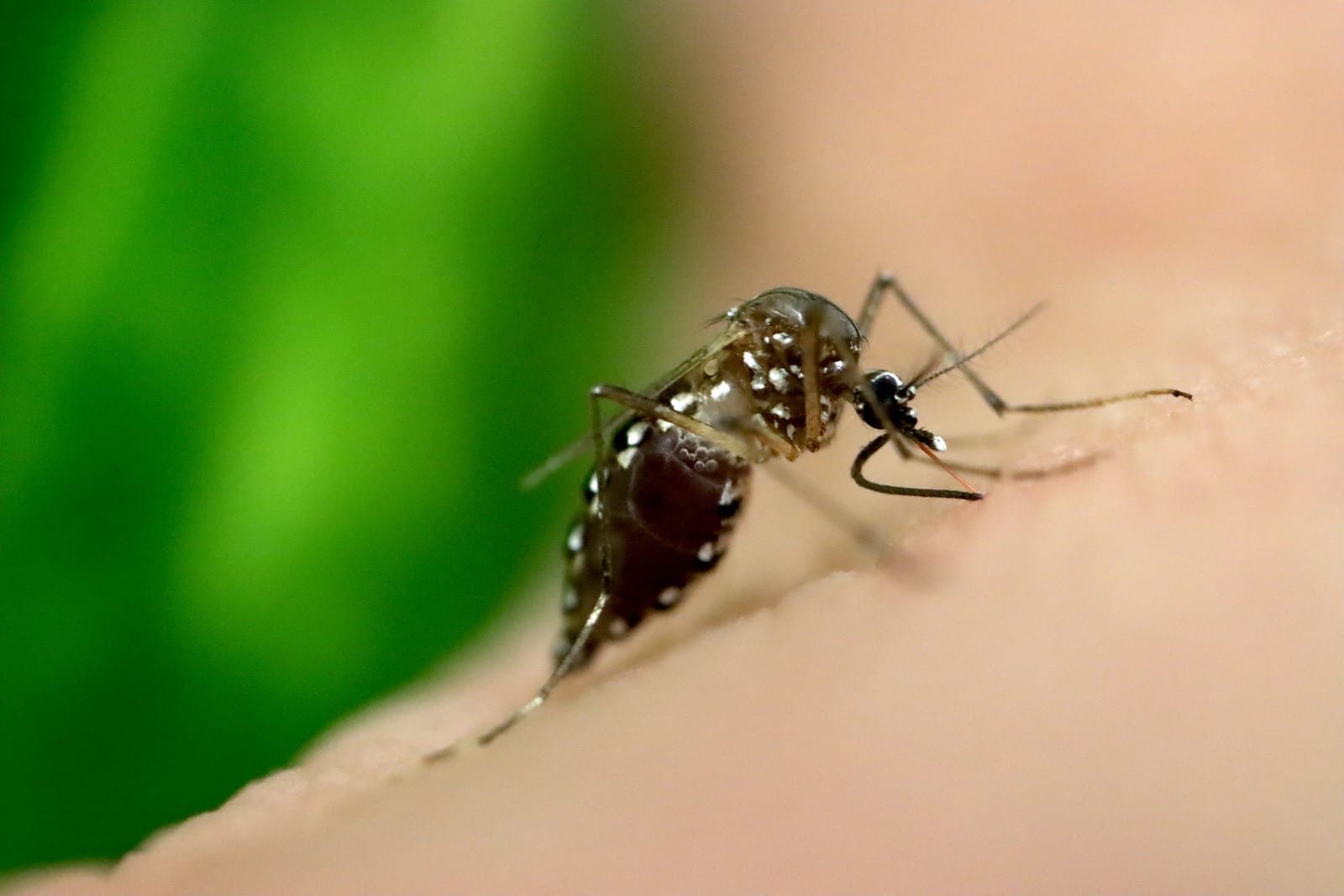
A single bacterium, passed quietly from mother mosquito to offspring, just helped drive the worst dengue outbreak in Brazil's recorded history down by more than two-thirds in the neighborhoods where it was released.
- 68.5% drop in dengue cases across treated neighborhoods
- 73.3% drop in chikungunya cases in the same trial
- 5,757 schoolchildren, ages 6 to 11, enrolled in the study
- 4 years the trial ran in Belo Horizonte, Brazil
How one bacterium beats three viruses
The trial, called EVITA dengue, tested a locally adapted strain of Wolbachia bacteria called wMel, named for the fruit fly species it was first isolated from. When wMel is introduced into Aedes aegypti mosquitoes, it inhibits the insect's ability to transmit viruses like dengue, Zika, and chikungunya to the people it bites.
Crucially, Wolbachia-infected mosquitoes pass the bacteria on to their offspring, which means a single release can keep suppressing disease transmission for generations without repeated interventions. Researchers released the modified mosquitoes across 29 school-defined geographic clusters in Belo Horizonte between January 2021 and May 2022, while another 29 clusters received only standard vector control, such as insecticide spraying.
A trial timed with the worst outbreak on record
The 68.5% reduction in dengue cases is notable partly because of when it happened: the trial period overlapped with the largest dengue outbreak ever recorded in Brazil, a country where the disease regularly strains hospital systems during peak transmission season.
"The intervention substantially reduced dengue infections during Brazil's largest recorded outbreak, demonstrating its potential to protect communities even under conditions of intense transmission," said Derek Cummings, PhD, co-principal investigator of the trial and a Bloomberg Distinguished Professor at Johns Hopkins University.
The intervention substantially reduced dengue infections during Brazil's largest recorded outbreak, demonstrating its potential to protect communities even under conditions of intense transmission.
Zika cases were too rare during the study period to properly assess the method's effectiveness against that particular virus, researchers noted, but the dengue and chikungunya results were strong enough to stand on their own.
Why this result travels well
Luciano Moreira, PhD, of Brazil's Fiocruz institute and the World Mosquito Program, helped develop the Belo Horizonte-adapted strain used in the trial. "We are pleased to have developed this locally adapted strain... and to achieve successful sustained establishment of the Wolbachia-infected mosquitoes for over 3 years," he said, according to the trial's public research announcement.
That durability is part of what makes the Wolbachia method attractive to public health officials: once established in a local mosquito population, it doesn't require the repeated spraying campaigns or public compliance that other interventions depend on. A separate city-wide trial across the Pacific in Singapore recorded an almost identical rate of dengue reduction, reinforcing that the results in Belo Horizonte weren't a fluke of local conditions.
Findings were presented at the American Society of Tropical Medicine & Hygiene's annual meeting in National Harbor, Maryland, with researchers from Johns Hopkins, the Universidade Federal de Minas Gerais, Fiocruz, Faculdade de Medicina de São José do Rio Preto, Emory University, Yale University, and the University of Florida all contributing to the study.
With dengue cases climbing globally as mosquito ranges expand into warmer regions, the Wolbachia method is increasingly being discussed as a candidate for the first line of defense — not just a backup plan — in the cities most exposed to outbreaks.