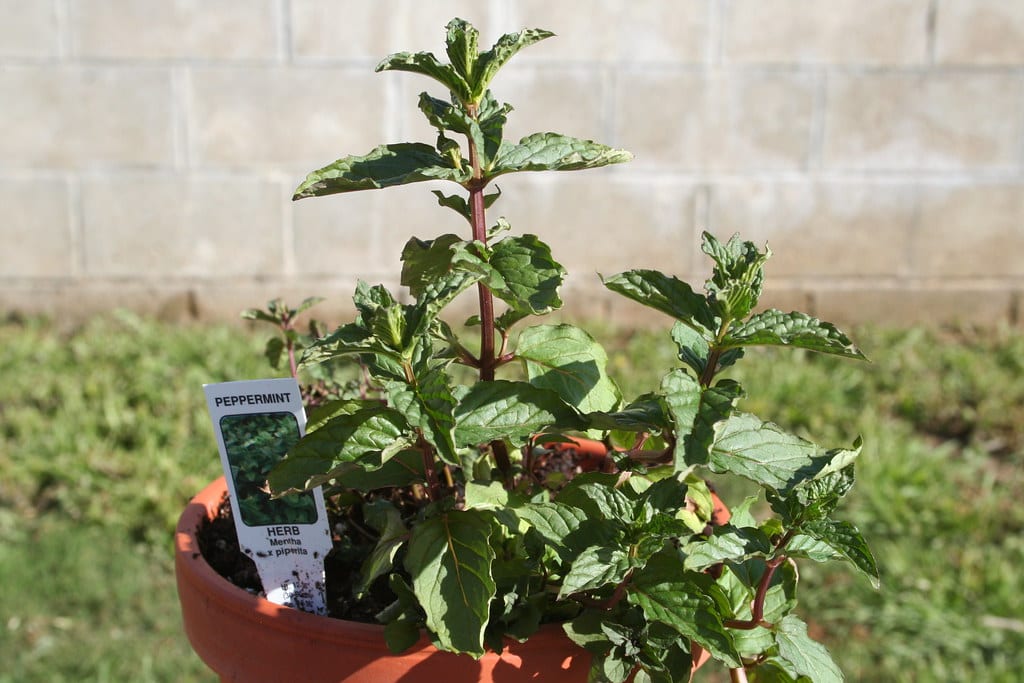
A kitchen-cupboard herb just outperformed a placebo in a clinical trial for high blood pressure. Researchers at the University of Lancashire found that a daily dose of peppermint oil lowered systolic blood pressure by 8.5 mmHg more than a placebo in under three weeks.
- 8.5 mmHg average drop in systolic blood pressure versus placebo
- 40 adults enrolled, all with elevated or stage-1 hypertension
- 20 days was the full length of the trial
- 100 microliters of food-grade peppermint oil taken daily, split into two doses
How the trial worked
The study, published in PLOS One, split 40 adults aged 18 to 65 into two groups. One group drank water mixed with small, food-grade doses of peppermint oil twice a day; the other received an identical-tasting placebo.
Neither group changed their diet, medication, or exercise habits. After 20 days, researchers remeasured everyone's blood pressure under the same conditions as the baseline readings.
The peppermint group's average systolic reading fell from roughly 130 to 122 mmHg. The placebo group barely moved. Lead researcher Dr. Jonnie Sinclair, a Reader in Sport and Health Sciences at the university, says the size of the effect surprised the team.
"Peppermint oil is low in calories and price so it's proved to be a very simple and cost-effective solution to potentially treat millions of people around the world," Sinclair said.
Why a mint leaf might relax blood vessels
Peppermint oil is rich in menthol and plant compounds called flavonoids, both of which have documented anti-inflammatory and vasodilatory effects in earlier lab research. Vasodilation simply means blood vessels widen, which lowers the pressure the heart has to push against.
Sinclair's team didn't measure vessel diameter directly in this trial, but the blood pressure drop lines up with that known mechanism. Menthol has also been shown in smaller studies to relax smooth muscle tissue, the kind that lines artery walls.
High blood pressure is worth taking seriously: it's one of the single biggest drivers of heart attacks, strokes, and premature death worldwide, according to the World Health Organization, and it usually develops with no symptoms at all. Sinclair called arterial hypertension "the most common preventable risk factor for cardiometabolic disease and the greatest single risk factor for global mortality."
What this doesn't prove yet
Forty people and 20 days is a small, short study, and the University of Lancashire team is upfront about that. Larger trials over longer periods are needed before peppermint oil could be recommended as a stand-alone treatment.
The researchers also stress a safety point: this trial used a food-grade oil formulated for oral use at a controlled, diluted dose. Essential oils bought for diffusers or topical use are not the same product and should not be swallowed.
Still, for a compound this cheap and this widely available, even a modest, well-replicated blood pressure benefit would be a genuinely useful public health tool. Sinclair's team is now seeking funding for a bigger follow-up trial to see whether the effect holds at scale.
For now, it joins a short list of kitchen-cabinet interventions, alongside things like beetroot juice and hibiscus tea, that have shown real, measurable effects on blood pressure in controlled studies. Unlike most of those, peppermint oil pulled this off in under three weeks.