A startup spun out of the University of British Columbia has found a way to turn one of the logging industry's most persistent waste products into something genuinely useful: foam packaging that biodegrades naturally, replacing one of the most environmentally stubborn plastics in everyday use.
How sawdust becomes packaging foam
The company, DicinFoam, is already operating a pilot plant in East Vancouver that produces around 400 pounds of "wood foam" every day. The material is made from sawdust, wood fibers, and forestry residues — the scraps that accumulate at every stage of the logging supply chain and often end up discarded, burned, or left to decompose on forest floors.
The target: polystyrene foam, the lightweight white padding that fills electronics boxes and coffee cup lids worldwide. Polystyrene might seem harmless, but it breaks apart into microplastics with troubling ease, and scientists estimate it takes around 1,000 years to break down in the environment — twice as long as many other common plastics.
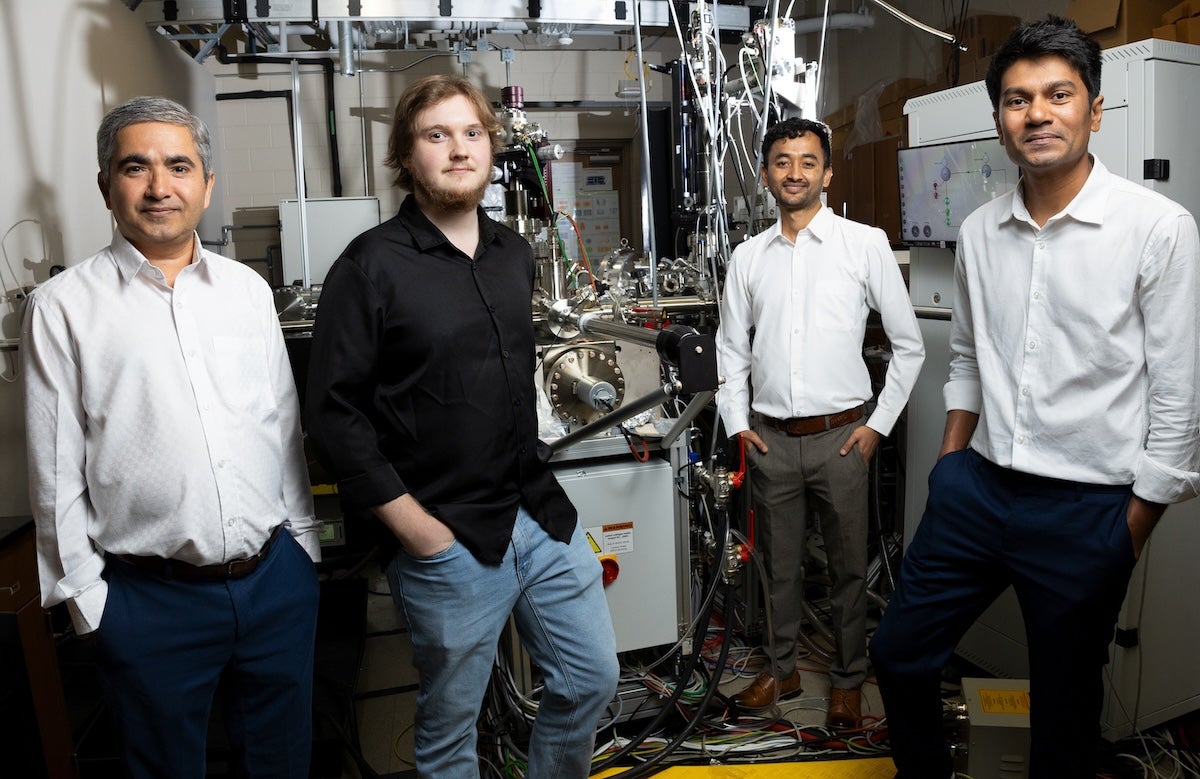
The UBC research team, led by Professor Feng Jiang, solved the problem by homogenizing low-value wood fiber into a consistent feedstock that can be fed into a specialized machine to form foam panels, which are then heat-pressed to shape. The result is a material with similar structural properties to polystyrene but made entirely from what would otherwise be waste.
"We've made it from low-value pulp, wood fibers, and forestry residues," said CTO Zhu Yale. "What we're trying to do is we want to extract the majority of the value out of it and make it into our day-to-day packaging needs."
The business case is as compelling as the environmental one. Canada's timber industry is among the largest in the world, and at every point — in the forest, on the sawmill floor, during processing — wood material is discarded. "Every tree that gets harvested, 30% of the tree doesn't get utilized," said CEO Richard Chen. "If we can even get a fraction of that and replace everyday existing products that are made of plastics, I feel that's a big deal."
Scaling from pilot plant to Indigenous-owned facility
The pilot plant's 400-pound daily output is a proof of concept. The next step is a 1,000-ton-per-year facility planned for Burns Lake, British Columbia, on territory owned by the Wet'suwet'en First Nation — an arrangement that makes Indigenous ownership central to the venture's growth. If that plant performs as expected, DicinFoam envisions a 15,000-ton-per-year operation on Vancouver Island, at which scale the wood foam becomes cost-competitive with the polystyrene it would replace.
Beyond packaging, the wood foam could have applications in insulation, construction materials, and anywhere lightweight cushioning is needed. And because it's made from plant fiber, it biodegrades under natural conditions — no microplastic residue, no millennium-long breakdown timeline.
Why this alternative could actually stick
The broader significance isn't lost on those following sustainable materials research. Replacing polystyrene foam has been a goal of materials scientists for years. Many alternatives exist in theory — mushroom-based packaging, seaweed composites, paper pulp — but few have achieved the cost parity and industrial scalability needed to actually displace the incumbent. DicinFoam's advantage is that it starts with a waste stream that already exists in abundance, in a country that generates enormous quantities of it.
If the Burns Lake plant succeeds, the model could scale globally. Every major timber-producing region faces the same logging waste problem. The question is whether turning that waste into foam is simply a good idea — or a genuinely transformative one. DicinFoam is betting on the latter, 400 pounds at a time.