For a century, every magnet on Earth fit into one of two categories. University of Central Florida physicists just confirmed a third — and it could help computers run faster while using less power.
- 3rd confirmed fundamental type of magnetism, after ferromagnetism and antiferromagnetism
- 900°C+ — the temperature used to grow the new layered crystal, Co₁/₄TaSe₂
- 2 U.S. national synchrotron facilities confirmed the result: Berkeley's Advanced Light Source and SLAC's synchrotron
- 0 stray magnetic fields — the key advantage altermagnets hold over ordinary magnets
A Magnet That Breaks the Old Rules
Ordinary magnets, called ferromagnets, line their internal magnetic moments up in the same direction — useful for electronics, but prone to stray magnetic fields that interfere with nearby components as devices shrink. Antiferromagnets cancel those stray fields out by pointing their moments in opposite directions, but they lack the electronic properties engineers want.
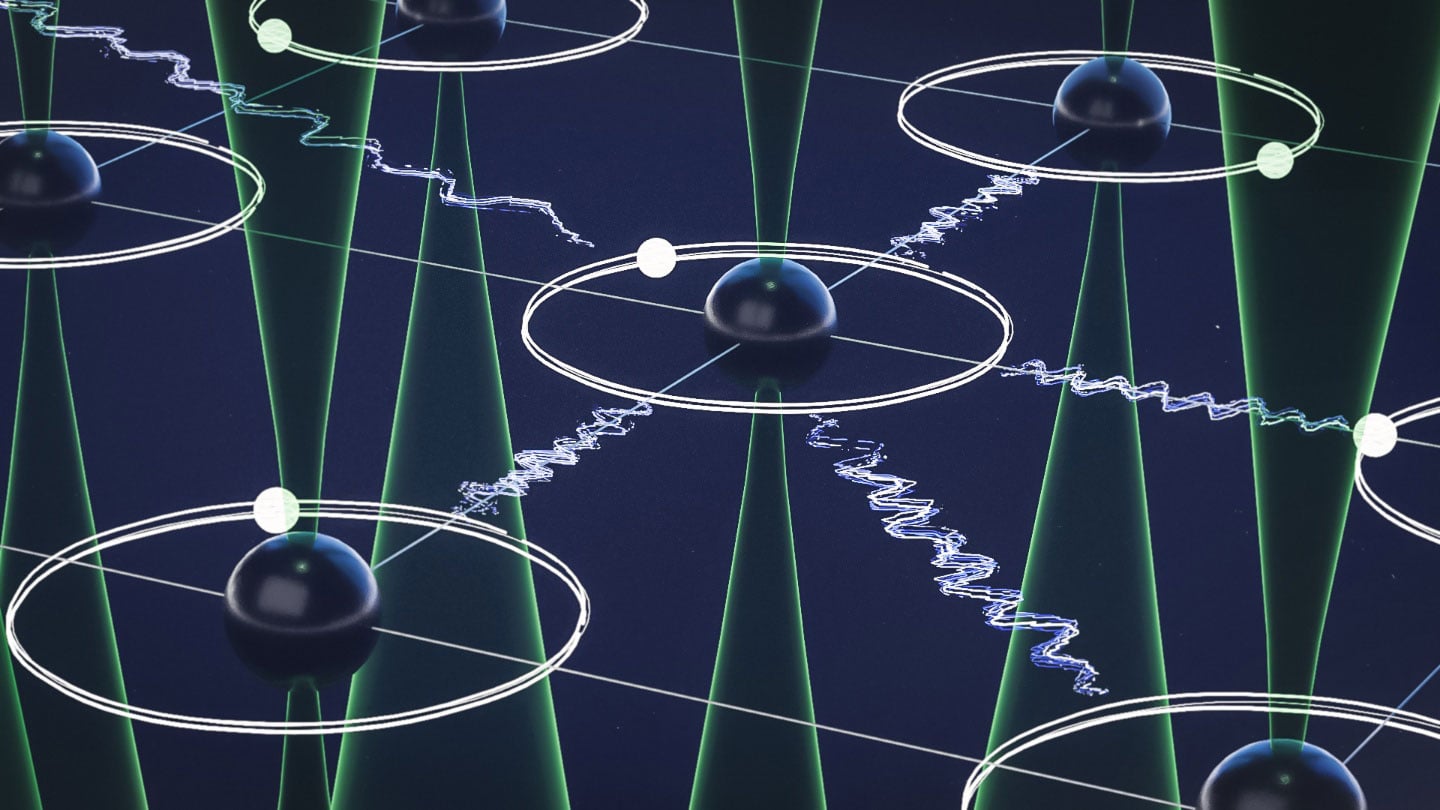
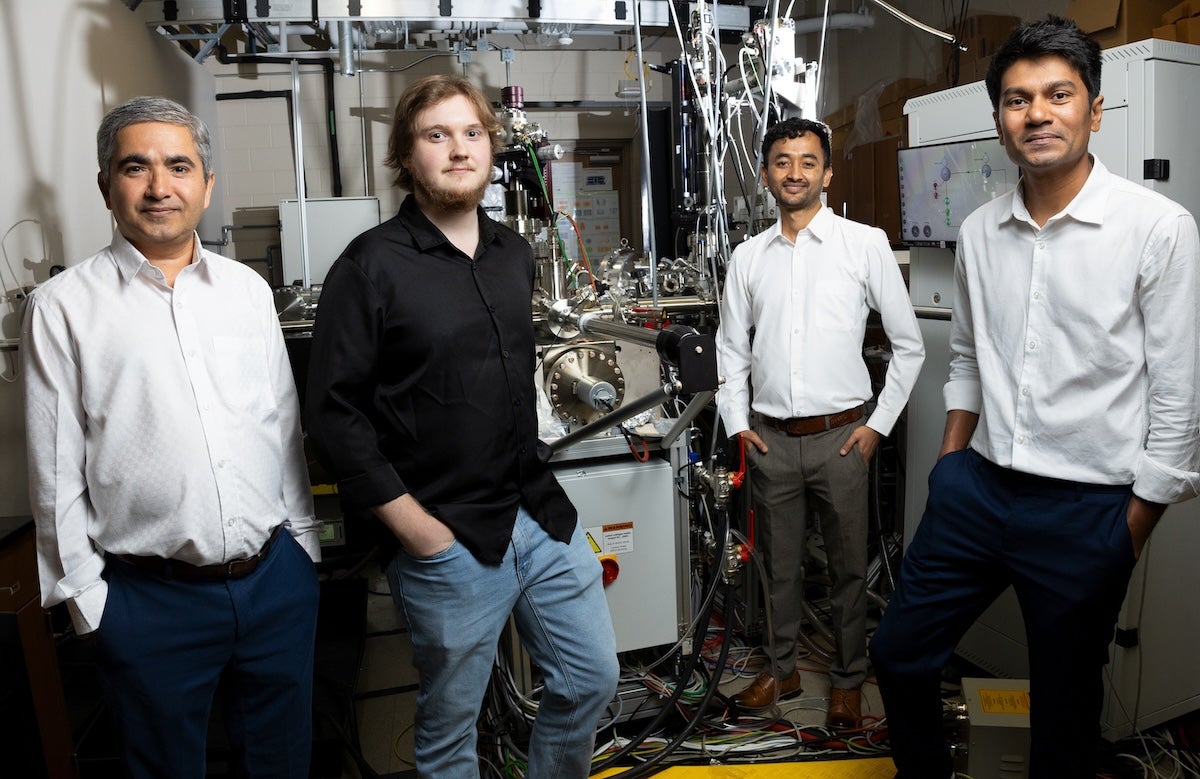
Altermagnetism, first proposed only in recent years, appeared to offer both benefits at once: no stray fields, plus the ability to generate and detect "spin currents" — the movement of electron spin rather than electron charge. A team led by UCF physics professor Madhab Neupane has now found clear experimental evidence of it in a real material, according to UCF.
Catching Electrons in the Act
The material is Co₁/₄TaSe₂, a layered crystal containing magnetic cobalt atoms sandwiched between sheets of tantalum diselenide. To confirm altermagnetism, Neupane's team used angle-resolved photoemission spectroscopy (ARPES), a technique that maps how electrons move and carry energy inside a material.
The first pass revealed a telltale splitting in the material's electronic bands. A more sensitive follow-up, spin-resolved ARPES, showed that the split states carried opposite spin polarizations — the specific signature that separates true altermagnetism from ordinary magnetic behavior, as ScienceDaily reported.
Measurements were confirmed at two major U.S. facilities: Lawrence Berkeley National Laboratory's Advanced Light Source and the Stanford Synchrotron Radiation Lightsource.
"These materials are distinguished from more conventional antiferromagnets by their ability to generate and detect spin currents without the negative effect of producing stray fields. This new property makes them very well positioned for use in many different applications — including spintronics, ultrafast memory devices, terahertz networks and energy-efficient electronics." — Madhab Neupane, Professor of Physics, UCF
Why a Layered Crystal Matters for Your Next Laptop
Co₁/₄TaSe₂ belongs to a class of materials called transition-metal dichalcogenides, which can be peeled into extremely thin, stackable layers — the same property that makes graphene useful for next-generation electronics. That flexibility means researchers can tune the material and study exactly how its magnetic and electronic behavior responds.
The field built around exploiting electron spin is called spintronics, and researchers have long wanted a material that can carry spin currents without the magnetic noise ordinary magnets create. Neupane's team showed the altermagnetic signal comes from deep within the crystal itself, not just its surface — meaning the effect is a genuine bulk property, not a surface artifact.
Plenty of open questions remain about why altermagnetism forms at all, and the team's graduate researcher Milo Sprague says the new material gives scientists a stable platform to finally test competing theories. If the approach holds up at larger scales, Neupane believes layered altermagnets could sit "at the forefront of electronics development" — delivering the faster, cooler, more efficient chips that conventional charge-based circuits are running out of room to provide.