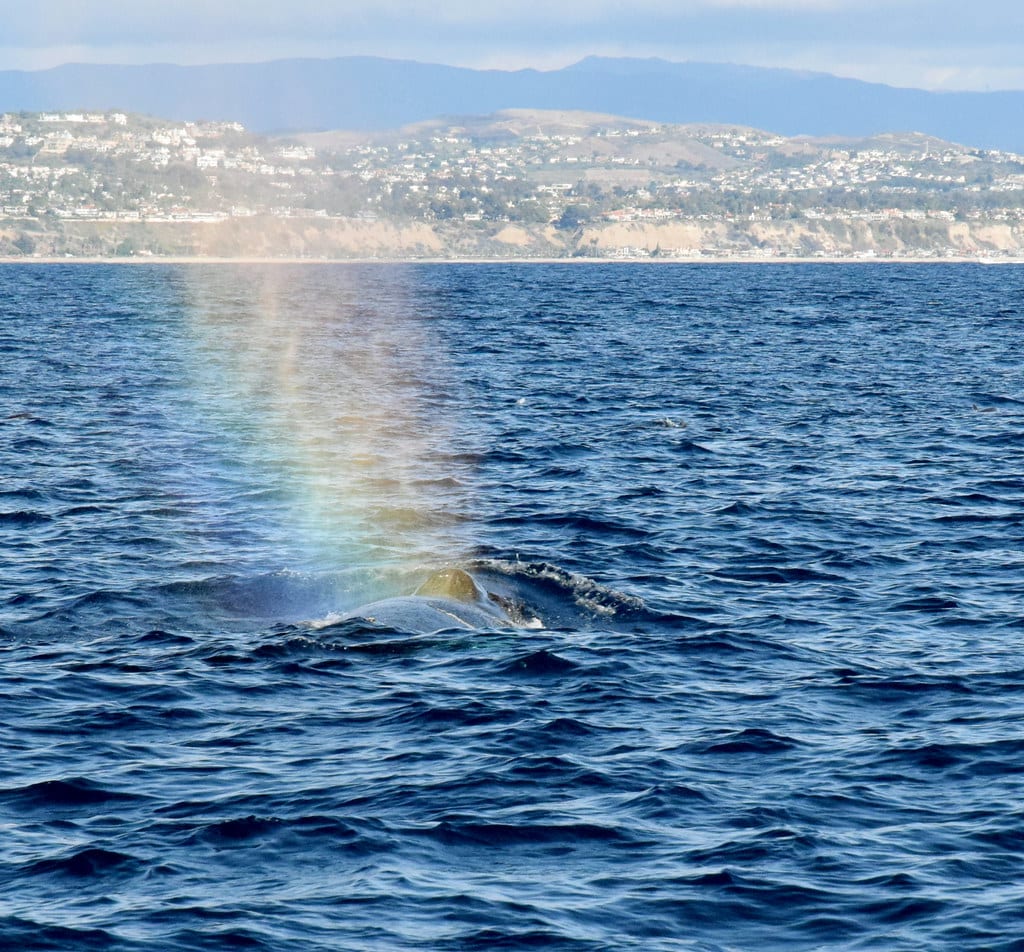
A single breath, caught mid-air by a small drone, was enough to sequence a humpback whale's entire genome — no dart gun, no boat, no biopsy required.
- 58 blow samples collected from 26 individual humpback whales
- 84% of the DNA in each sample came from the whale itself
- 16% came from microbes living in the whale's airway
- 1 North Pacific humpback genome had ever been made public before this study
Chasing exhale instead of flesh
Researchers from the University of St Andrews in Scotland, working with an international team, set out to solve a persistent problem in whale genetics: collecting usable DNA without disturbing the animal. Traditional methods rely on darts or biopsy punches fired from boats, both of which stress the whale, or on samples from stranded or long-dead specimens, which aren't available for every population.
Instead, the team attached sterile petri dishes to a small aerial drone and flew it directly through the exhaled breath, or "blow," of surfacing humpback whales — which typically take one to six breaths each time they come up for air. Researchers collected 58 blow samples from 26 individual whales in the Kitimat Fjord System of northern British Columbia, Canada, targeting the most upwind whale in any group to avoid mixing DNA between animals.
What the genomes revealed
Repeat samples from the same whales, collected across different encounters and spanning two years, produced matching genomes — a strong sign the method is reliable rather than a one-off fluke. More than a third of the samples required no boat at all; researchers simply flew the drone out from shore.
Once collected, the DNA was sequenced to build low-coverage nuclear genomes, inherited from both parents, and high-coverage mitochondrial genomes, inherited only from the mother. The team found genetic diversity estimates from the blow samples closely matched estimates from traditional biopsies, with no evidence of inbreeding beyond a shared ancestry in this particular whale population.
"The drone-captured genetic analyses correctly determined every whale's sex and also found three previously undescribed mitochondrial DNA variants."
Lead researcher Dr. Éadin O'Mahony said the team plans to use the blow-derived genomes to study kinship and social structure among humpbacks that forage together in the region. "We will use these blow-derived genomes to assess kinship and family ties among humpback whales foraging in northern British Columbia," O'Mahony said. "The aim is to understand how their social bonds form: are the whales that forage together family, or long-term friends?"
Why non-invasive genomics matters
Genomic data is considered essential for modern conservation work, enabling researchers to track population health, genetic diversity, and inbreeding risk, as well as to identify individual animals for population surveys and estimate sex ratios without ever touching the whale. In some locations, and for some especially sensitive or low-population species, invasive sampling simply isn't an ethical or practical option.
The study, covered in detail by phys.org, was a collaboration between the University of St Andrews, the University of Copenhagen, the North Coast Cetacean Society, and Fisheries and Oceans Canada. The findings were published in the journal Molecular Ecology Resources.
An unexpected bonus emerged from the data: around 16% of the DNA in each blow sample came largely from microbes living in the whale's respiratory tract — meaning a single breath could eventually tell researchers about both the whale's genetics and its health, all from a sample no more invasive than standing downwind at the right moment.