A new kind of carbon sponge made from food industry waste is outperforming conventional climate technologies in the lab — and the raw ingredients are leftovers from making cheese and tofu.
Researchers at ETH Zurich have developed biodegradable protein beads that pull carbon dioxide directly from the air. The work, published in the journal PNAS, points to a cheaper, lower-energy route for one of the most expensive parts of climate technology: direct air capture (DAC).
From Leftovers to Climate Tool
Dairy and tofu factories generate huge volumes of protein-rich liquid. Most of it goes to waste. The ETH Zurich team, led by materials scientist Raffaele Mezzenga, saw an opportunity.
From this waste, the researchers isolate proteins and coax them into long, threadlike chains called amyloid fibrils. The fibrils are loaded with potassium hydroxide and processed into small beads, roughly half a centimeter to one centimeter across.
"The resulting material is like a sponge that can absorb large quantities of CO2 via the potassium hydroxide," Mezzenga said.
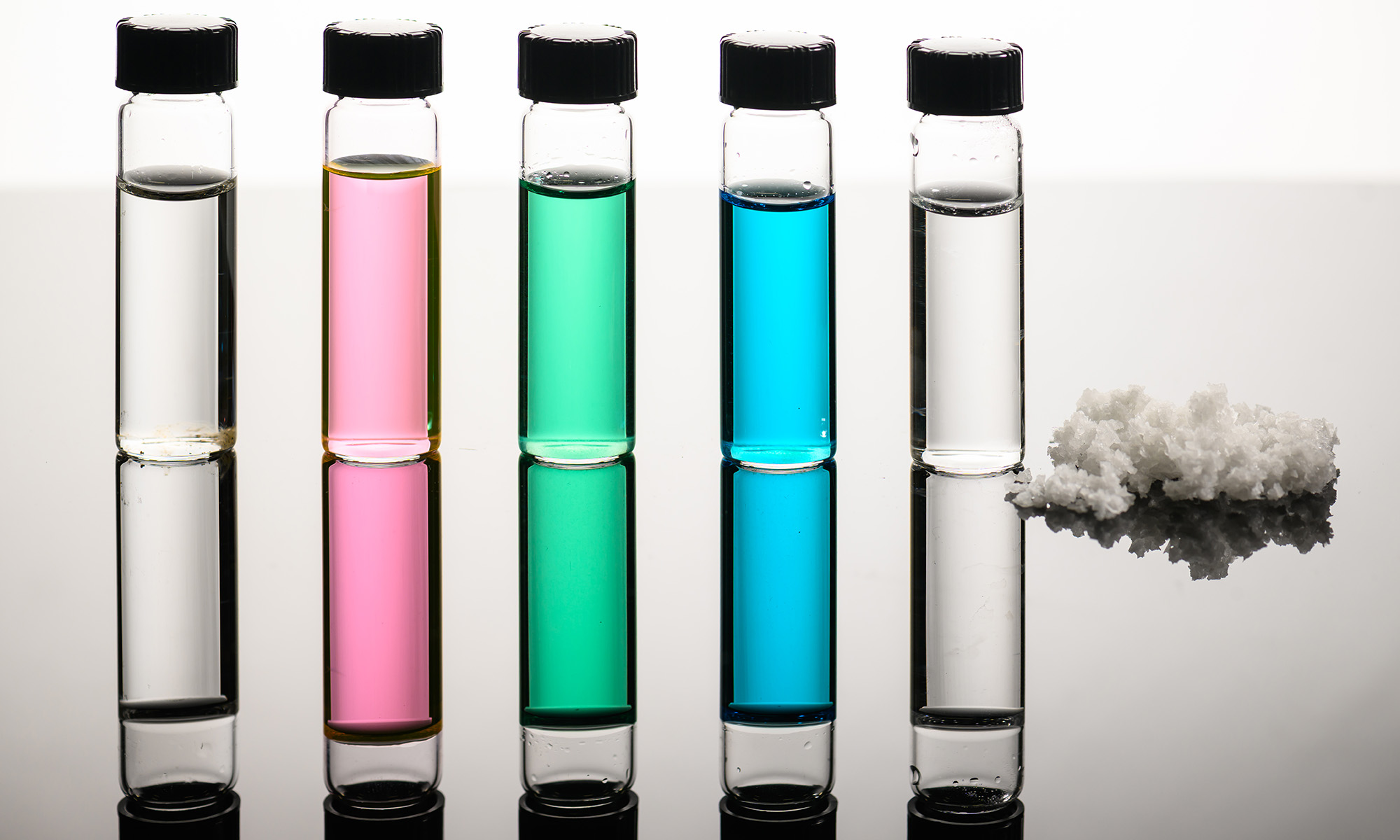
When the porous beads sit in ambient air, the potassium hydroxide reacts with CO2 to form a stable salt — pulling the greenhouse gas straight out of the atmosphere.
Outperforming Conventional Systems
The numbers are striking. In tests with ordinary outdoor air, one gram of the new material captured 97 milligrams of CO2.
"In our tests with ambient air, we were able to extract 97 milligrams of CO2 with one gram of material," said Zhou Dong, the postdoctoral researcher who led the experimental work.
That figure outperforms many existing direct air capture technologies by 10 times or more, according to the team. Traditional DAC systems use specialized chemicals and heat-intensive processes that make every captured ton expensive. The new beads work at room temperature and rely on potassium hydroxide, a widely available industrial chemical.
Why Cost Matters
Direct air capture sits at the heart of many long-term climate plans. The Intergovernmental Panel on Climate Change has emphasized that hitting global temperature targets will likely require removing hundreds of billions of tons of CO2 from the atmosphere over the coming decades.
The catch has always been cost. Pioneers like Climeworks, also an ETH Zurich spin-off, have shown that DAC works, but the price per ton remains high.
Mezzenga believes the new approach can change that. "Our technology is cheaper and more sustainable because it requires little energy and is based on a widely available waste product. That could be a game changer for the future of removing CO2 from the air."
A Circular Climate Fix
The beads also turn a disposal problem into an asset. Whey from cheese-making and protein-rich liquid from tofu production are typically treated and discharged, with only small fractions reused. Converting them into carbon-capturing material adds value at the end of the food chain instead of cost.
The team is now working on scaling production, characterizing long-term stability, and calculating exact costs per ton of captured CO2. The early signals are encouraging: a climate tool that begins life as the stuff cheese and tofu factories used to throw away.