A 19th-century myth of a hidden inland sea finally came true this year — not through exploration, but rainfall. Kati Thanda-Lake Eyre, Australia's largest lake, is filling with water for only the 4th time in the past 160 years.
- 4th flood of this scale recorded at the lake since the 1860s
- 9,500 square kilometers of salt flat now underwater
- 25,000 visitors expected this flood year, up from roughly 5,000 in a dry year
- Birds are arriving from as far as China and Japan
From Salt Flat to Outback Oasis
For most of the year, Kati Thanda-Lake Eyre is a blinding white expanse of salt crust in the northeast corner of South Australia — one of the driest places on the continent. Floodwater from Queensland's monsoon season this year pushed down the channel country rivers that feed the lake, and by May it had begun pooling into the basin.
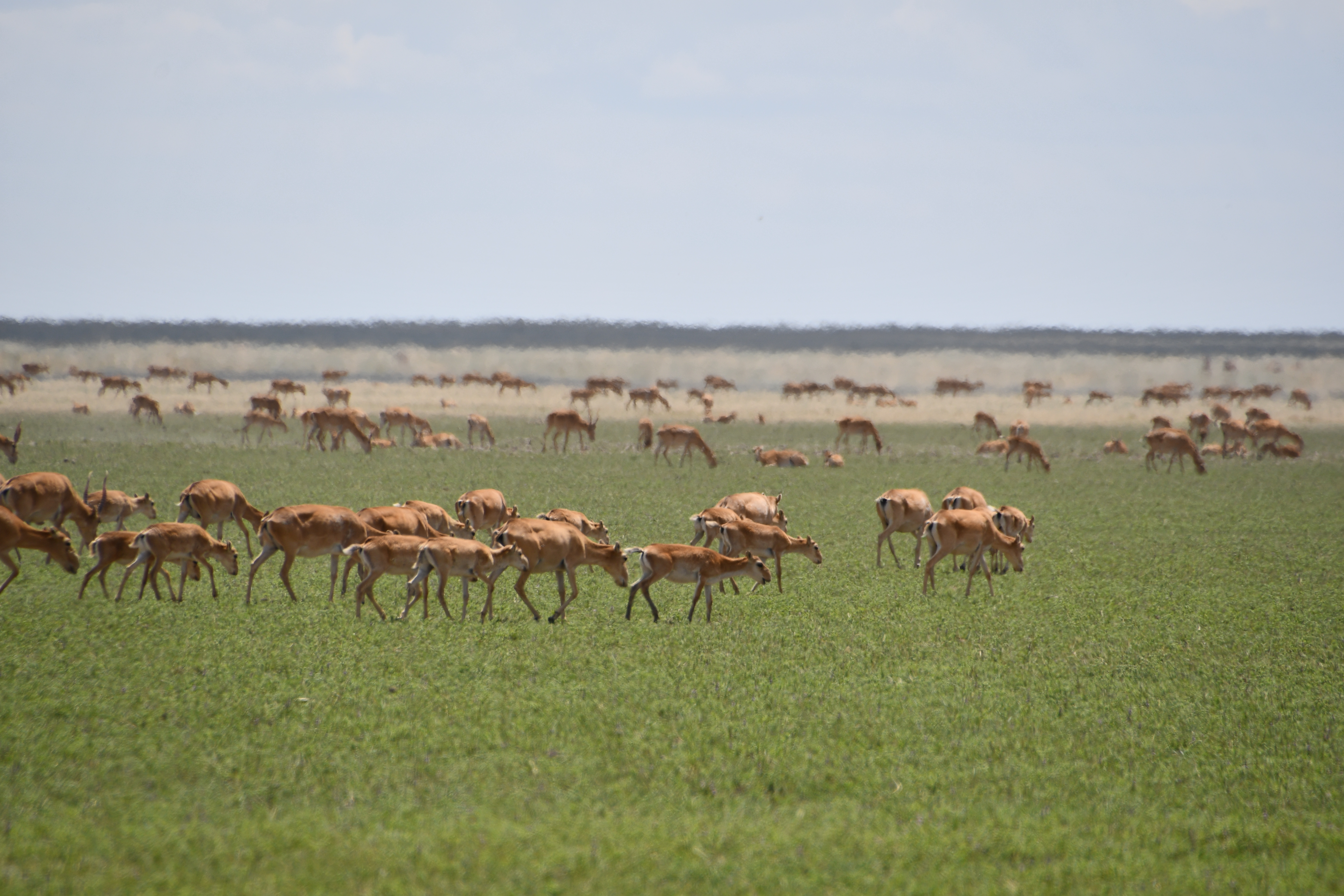
Once water arrives, the transformation is almost immediate. "Brine shrimp hatch from eggs in the soil, millions of waterbirds and breeding birds from as far as China and Japan migrate to the lake, and fish that are in the floodwaters will spawn and eat the shrimp," South Australia's Department for Environment and Water told 7NEWS. Pelicans, herons and other waterbirds are following the food in numbers rarely seen in the desert's interior.
Satellite imagery from NASA's Earth Observatory has tracked the flood spreading across the basin in vivid blues and teals against the surrounding tan desert, visible from space as the water pushes south down Cooper Creek toward the main lake body.
A Sacred Site, Co-Managed With the Arabana People
The lake covers roughly 9,500 square kilometers at capacity and sits on Arabana country, whose people are the native title holders and co-manage the site with the state government. Visiting requires sticking to designated viewing points — swimming, boating, off-track driving and landing aircraft on the lake bed are all restricted under South Australia's National Parks and Wildlife Act.
"We are proud to share this part of our Country, and the Ularaka (story) that belongs here." — Bronwyn Dodd, chairwoman, Arabana Aboriginal Corporation
Arabana Aboriginal Corporation chairwoman Bronwyn Dodd called the lake "a very special place," noting its preservation also "preserves our way of life." The restrictions exist both for visitor safety in one of Australia's most remote regions and to protect a site considered sacred and, in traditional lore, dangerous to enter without cultural guidance.
Months to Catch the Spectacle
Water began entering the lake's northern basin in early May, and the Department for Environment and Water expects varying water levels to persist for up to six months, with May through October the best viewing window. Scenic flights offer the clearest view of the scale of the flooding, while camping is available at Halligan Bay Point and Muloorina Bore, north of Marree, for those visiting by road.
Lake Eyre has only reached anything close to full capacity three other times since records began in the 1860s, making this year's flood one of the rarest natural spectacles available anywhere in Australia — a reminder that even the continent's harshest desert interior is only ever one big wet season away from turning, briefly, into one of its richest habitats.