A small, reddish-brown deer that scientists feared might already be gone has walked in front of a motion-triggered camera in the forests of northern Vietnam.
- 1997 the year scientists first formally described the species
- 2026 the year camera traps confirmed it is still alive in the wild
- 20+ years since the same reserve's last confirmed dhole sighting, before one reappeared on camera in 2023
- 1 protected reserve, Pu Hoat, now credited with two rare-species comebacks
A Deer Almost Nobody Has Photographed
The Pu Hoat muntjac (Muntiacus puhoatensis) is one of the least-documented deer species on the planet. It was first scientifically described in 1997 from specimens collected in the forests of Nghệ An Province, in north-central Vietnam, and confirmed sightings since then have been scarce enough that some researchers worried it had quietly disappeared.
That changed when a camera trap deployed in the Pu Hoat Nature Reserve recorded clear footage of the animal, according to Vietnamese state broadcaster VOV and domestic outlet DTiNews, which both reported the detection this week. For a species with almost no photographic record, a single confirmed frame is a meaningful scientific event.
Why Pu Hoat Keeps Producing Good News
This is not the first time cameras in Pu Hoat have delivered a surprise. In December 2023, a trail camera in the same reserve photographed a dhole — an endangered Asian wild dog also known as the red wolf — more than two decades after the species was last confirmed there.
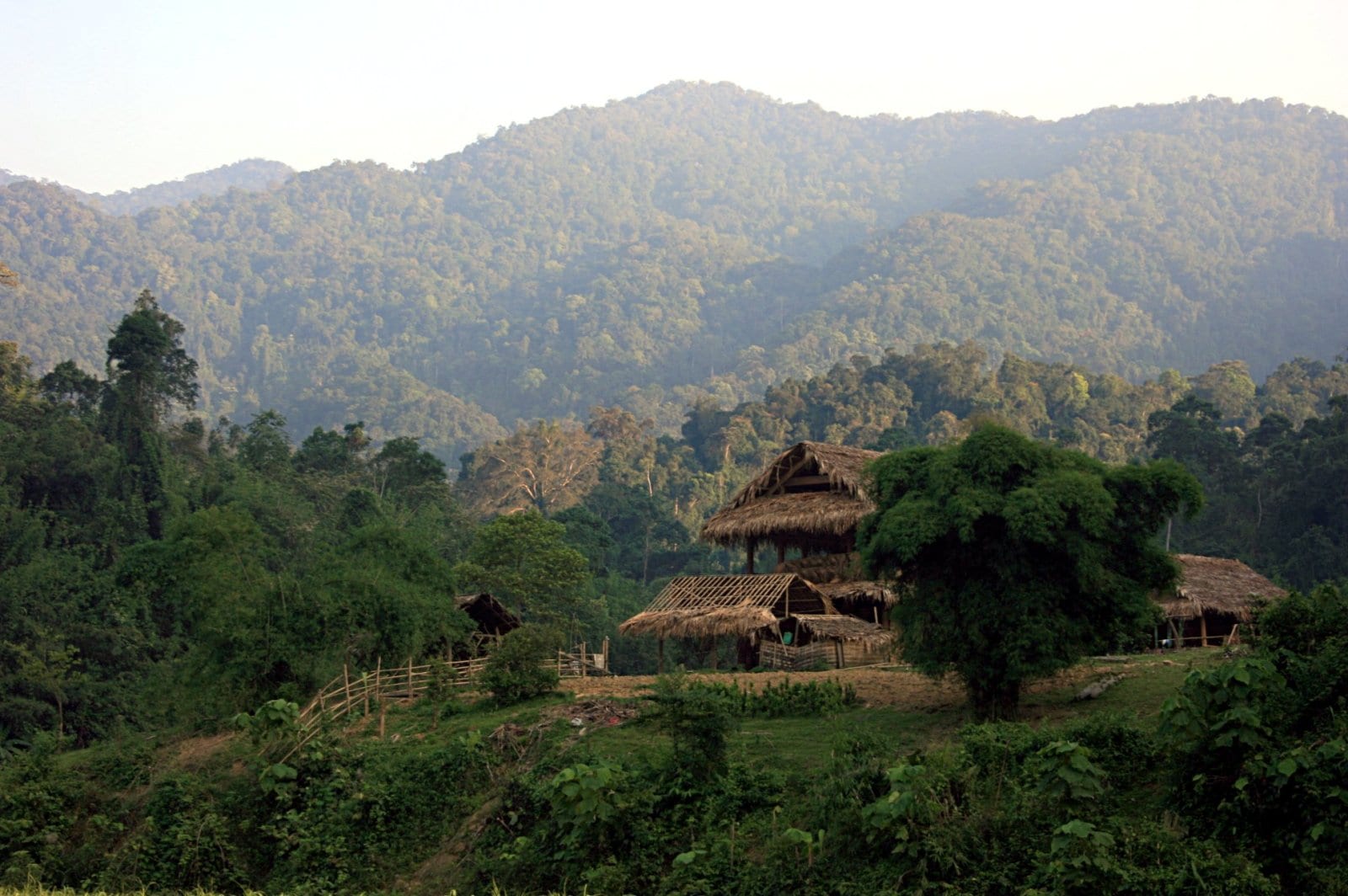
Pu Hoat sits within Vietnam's Annamite Range, a mountain system long recognized by conservation biologists as one of Southeast Asia's most important and least-explored biodiversity hotspots. The range has previously yielded discoveries so unusual that new large mammal species, including the saola, were identified there as recently as the 1990s.
Two of the reserve's rarest residents — a deer and a wild dog, both long feared locally extirpated — have now each reappeared on camera within the span of three years.
What the Cameras Still Can't Tell Us
Camera traps answer a narrow but critical question: is a species still here? They cannot yet tell researchers how many Pu Hoat muntjac remain, how far they range, or whether the population is stable, shrinking or slowly recovering. Each confirmed sighting simply keeps the species on the map for the next survey.
That uncertainty is exactly why reserves like Pu Hoat continue to matter. Without protected, patrolled forest and a standing network of monitoring equipment, a population already this hard to find could disappear without anyone ever noticing. The IUCN Species Survival Commission's Deer Specialist Group lists several Annamite-range muntjac species as among the least-assessed deer in the world, precisely because evidence like this is so hard to gather.
For now, conservationists working across the Annamite Range have one more confirmed data point than they had last month — proof that a deer most people have never heard of, in a forest most people will never visit, is still out there.