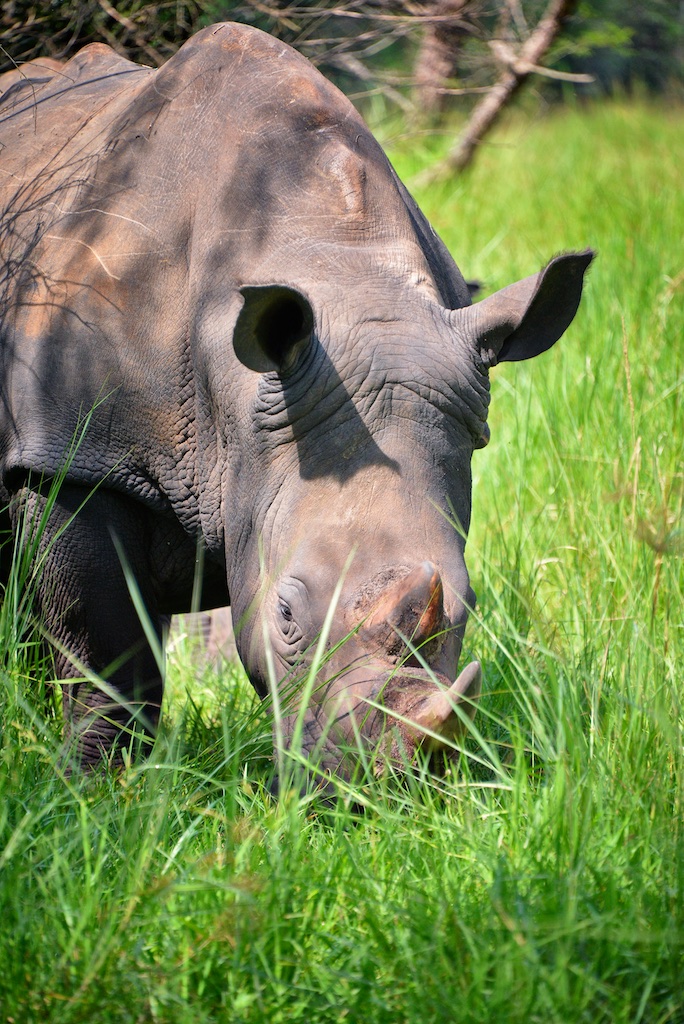
A single South African farm once held more captive-born rhinos than most countries have left in the wild. Three years into a 10-year plan to empty it, 745 of those rhinos are now living free across four nations.
- 745 southern white rhinos translocated since the project began
- 19 protected areas across 4 countries now host the relocated herds
- 89 calves have been born to the translocated populations
- 2,000 rhinos is the project's total 10-year target
How a Private Farm Became a Continental Project
In 2023, African Parks took on an unusual rescue: buying out the world's largest private rhino-breeding operation to stop it from being broken up and sold off piecemeal. The farm held roughly 2,000 southern white rhinos, more than the entire population of some range states.
Rather than keep them in captivity, African Parks committed to rewilding all of them over a decade, at a rate of around 200 a year, into parks it manages or supports across the continent. The project is called Rhino Rewild.
Three years in, the numbers show real momentum. Rwanda's Akagera National Park, the Democratic Republic of Congo, Uganda's protected reserves, and 17 separate sites across South Africa have all received new or strengthened rhino populations, according to reporting by National Geographic.
What Happens After the Truck Ride
Moving a two-ton animal across international borders is not simple. Rhinos are sedated, crated, and trucked or flown to their destination, then monitored closely as they adjust to unfamiliar terrain, vegetation, and resident wildlife.
The payoff is visible in the birth numbers. 89 calves born to translocated mothers means the relocated rhinos are not just surviving their new homes — they are treating them as permanent ones. Natural losses from predation, disease, and the stress of a major move are part of any large-scale translocation, and conservationists track them against the much larger gain: entire new breeding populations established where none existed before.
Akagera's herd is a clear example. Rwanda's rhinos were hunted to extinction decades ago; the country now has a wild, reproducing population again because of relocations like this one.
"We fully recognise the moral imperative of finding a solution for these animals so that they can once again play their integral role in fully functioning ecosystems," said Peter Fearnhead, CEO of African Parks.
Why Spreading Rhinos Out Matters
Concentrating rhinos in one place, however secure, is a long-term risk — a single disease outbreak, drought, or security failure could threaten the whole population. Spreading founder groups across 19 separate protected areas in four countries builds redundancy into the species' future.
It also restores an ecological role. White rhinos are grazers that shape grassland structure for other species, from antelope to ground-nesting birds. Parks that lost their rhinos decades ago lost part of that function too.
With roughly 1,250 rhinos still to move and seven years left on the original timeline, African Parks says the pace will continue at a similar scale: a few hundred animals a year, each one added to a park's ledger as a population rather than a headcount.
For now, the running total tells its own story — 745 rhinos moved, 89 calves born, and four countries with more rhinos today than they had three years ago.


