Most "paper" coffee cups are not really paper — a thin film of fossil-fuel plastic lines the inside, and testing shows it can flake off into your drink. Chemists at the University of Waterloo just built a replacement coating with zero plastic in it at all.
- 0 conventional plastic in the new coating
- Tested against boiling water, food oil, and multiple solvents — stayed intact
- Works even on paper as thin as a brown paper towel
- Published in ACS Sustainable Chemistry & Engineering
Built From Cellulose, Not Fossil Fuels
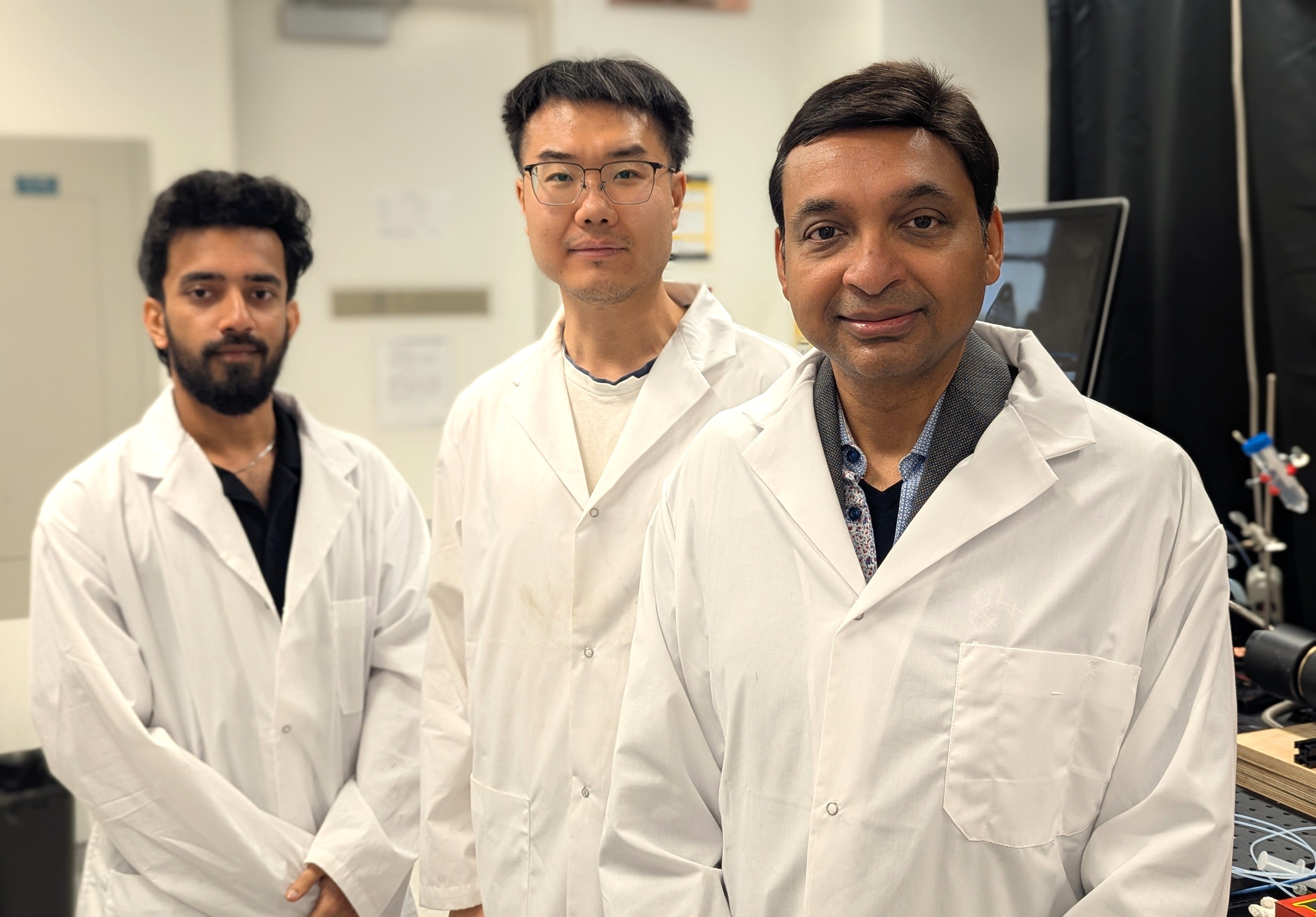
The Waterloo team, led by chemistry professor Dr. Shirley Tang, created the coating from cellulose acetate reinforced with cellulose nanocrystals — both derived from plant material rather than petroleum. Because the coating and the paper cup itself are both cellulose-based, the material could also simplify recycling by removing the need to strip a separate plastic liner out of the paper first.
In side-by-side testing described in the University of Waterloo's announcement, conventional plastic-lined cups showed visible surface degradation and particle shedding — exactly the kind of microplastic release that has drawn growing concern among food-safety researchers. The team's cellulose coating remained largely intact under the same conditions.
"Learning how easily some plastic liners can shed particles was eye-opening." — Dr. Shirley Tang, Department of Chemistry, University of Waterloo
Tang called the all-cellulose result exciting specifically because it doesn't rely on conventional plastics "and there are so many possibilities" for where else it could be used.
Born From an Aviation Materials Project
The coating wasn't originally designed for coffee. Dr. Sayan Ganguly, a research associate in Tang's nanotechnology lab, said the project began as research into lightweight, sustainable materials for aviation applications — the team was hunting for renewable alternatives strong enough for aircraft components when they realized the same material worked as a protective barrier for paper products.
That aerospace-grade durability turned out to have a practical side benefit for packaging: the coating let researchers use much thinner paper while still meeting the durability needed for a beverage container. Less material per cup means lower manufacturing costs, which Ganguly said "could ultimately be passed on to the consumer."
The full study, published in ACS Sustainable Chemistry & Engineering, details how the material held up under prolonged exposure to boiling water and oils — the two conditions that make coffee and takeout packaging such a tough test case for any plastic alternative.
Beyond the Coffee Cup
The researchers see applications well beyond to-go coffee: food packaging broadly, and any product category where manufacturers are under pressure to drop plastic without sacrificing performance. Disposable cups are produced by the hundreds of billions worldwide each year, and most current plastic-lined versions are difficult to recycle at scale precisely because separating the plastic liner from the paper fiber is so labor-intensive.
If an all-cellulose coating proves cheap enough to manufacture at that volume, it would remove one of the more stubborn single-use plastic categories from the waste stream — not through a ban or a redesign of the cup itself, but by quietly swapping out what lines the inside.