For the first time in more than 150 years, the unmistakable call of a wild kiwi is echoing through the hills above Wellington — and the birds are there because ordinary residents built the path home themselves.
- 150+ years since kiwi last lived wild in the hills surrounding New Zealand's capital
- Kiwi chicks hatched wild in these hills for the first time in over a century
- A volunteer, citizen-led campaign — not a government agency — drove the comeback
Why Kiwi Disappeared From the Capital's Hills
New Zealand's national bird was once common across the country, but introduced predators — stoats, rats, possums, and dogs — devastated ground-nesting species like the flightless kiwi after European settlement. Around Wellington specifically, kiwi vanished from the surrounding hill country more than a century ago, leaving the capital without the bird most synonymous with the nation itself.
For generations, hearing a wild kiwi near Wellington was simply not something residents could expect, even as the bird remained a powerful cultural symbol printed on currency and worn on national sports jerseys.
A Citizen Campaign Fills the Gap
The Capital Kiwi Project set out to change that without waiting for a large-scale government program to lead the way. Local residents organized to build and maintain predator-trapping networks across the hill country ringing Wellington, targeting the stoats and other introduced mammals that kill kiwi chicks and eggs.
Volunteers check traps on a rolling basis, year-round, treating pest control as an ongoing community responsibility rather than a one-time intervention. That sustained, grassroots effort is what eventually made the hills safe enough for kiwi to be reintroduced.
The kiwi, New Zealand's sacred national bird, vanished from the hills around Wellington more than a century ago — now the capital's residents are returning it through an improbable citizen campaign.
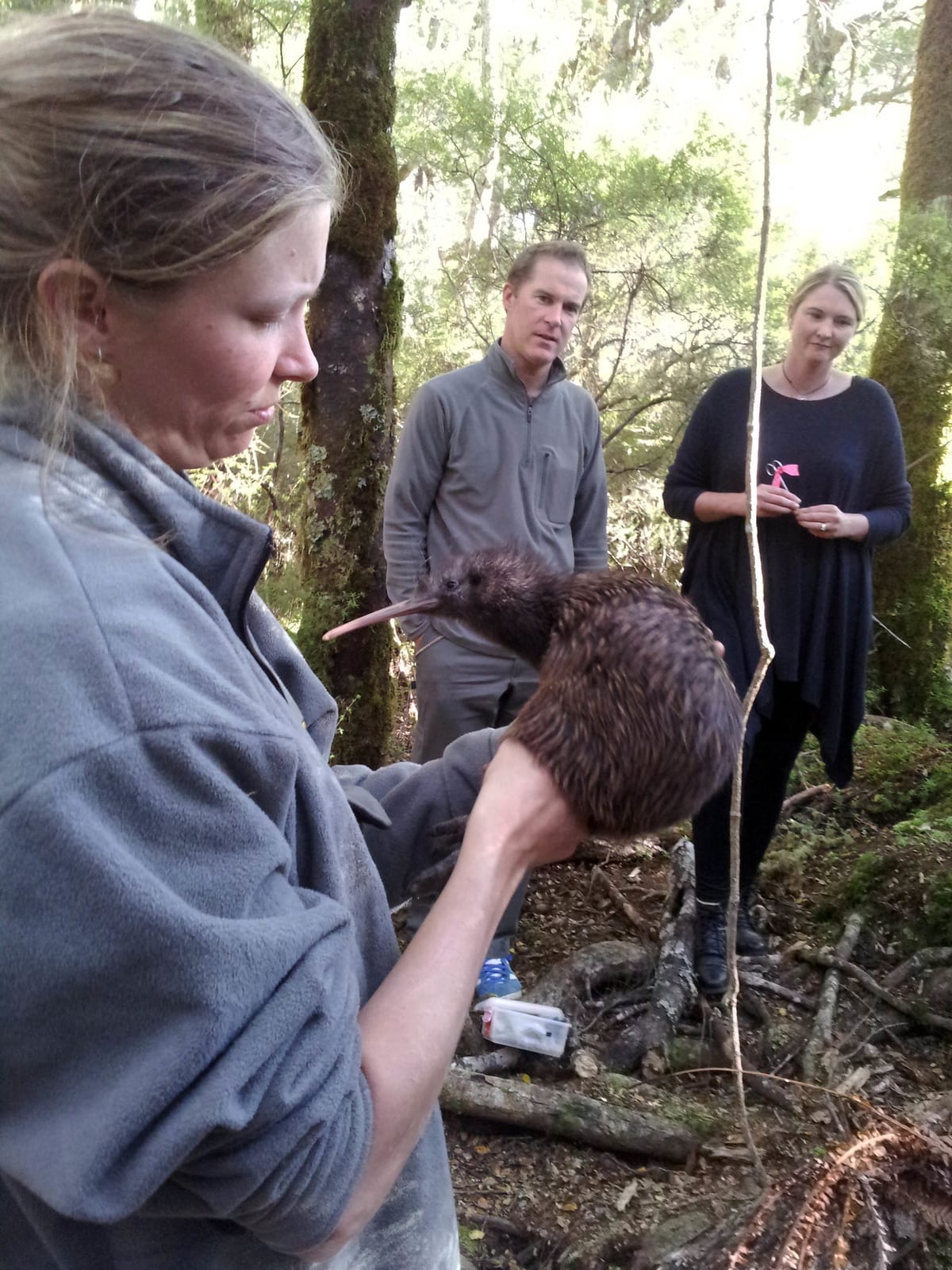
Once predator numbers were suppressed enough, conservationists began translocating kiwi from safer populations elsewhere in New Zealand into the restored Wellington hill country, monitoring each bird as it settled into unfamiliar territory.
What Comes Next for Wellington's Kiwi
The clearest sign the reintroduction has worked arrived when wild-hatched chicks were confirmed in the hills — proof that translocated adults are not just surviving but successfully breeding in territory kiwi had not occupied in generations.
That milestone matters beyond Wellington. Conservation groups elsewhere in New Zealand and internationally look to projects like this one as evidence that community-driven, volunteer-powered predator control can achieve outcomes once thought to require large government budgets or fenced sanctuaries.
The Capital Kiwi Project continues to expand its trapping network, aiming to open more of the hill country to kiwi as predator numbers stay low. The New Zealand Department of Conservation classifies several kiwi species as threatened, and successful reintroductions like Wellington's are treated as templates other communities can copy.
For a country whose people call themselves "Kiwis," having the actual bird walking again in the hills above the capital carries a significance that goes well beyond ecology — it is a living symbol, once silenced, finding its voice again because a city's residents decided it should.